Countries With Strictest Customs Rules Explained
From biosecurity crackdowns to cultural prohibitions, understanding global customs enforcement helps travelers avoid costly penalties and legal trouble.
Crossing international borders has never required more careful preparation than it does today. Countries with the strictest customs rules enforce rigorous inspection protocols that can result in confiscation, significant fines, or even criminal prosecution for unprepared travelers. Whether driven by biosecurity concerns, religious law, or national security considerations, customs enforcement varies dramatically around the world. Understanding which nations maintain the most demanding entry requirements and what items trigger inspection alerts is essential for anyone planning international travel or shipping goods abroad.
Biosecurity Leaders
Australia’s Biosecurity System Sets the Global Standard
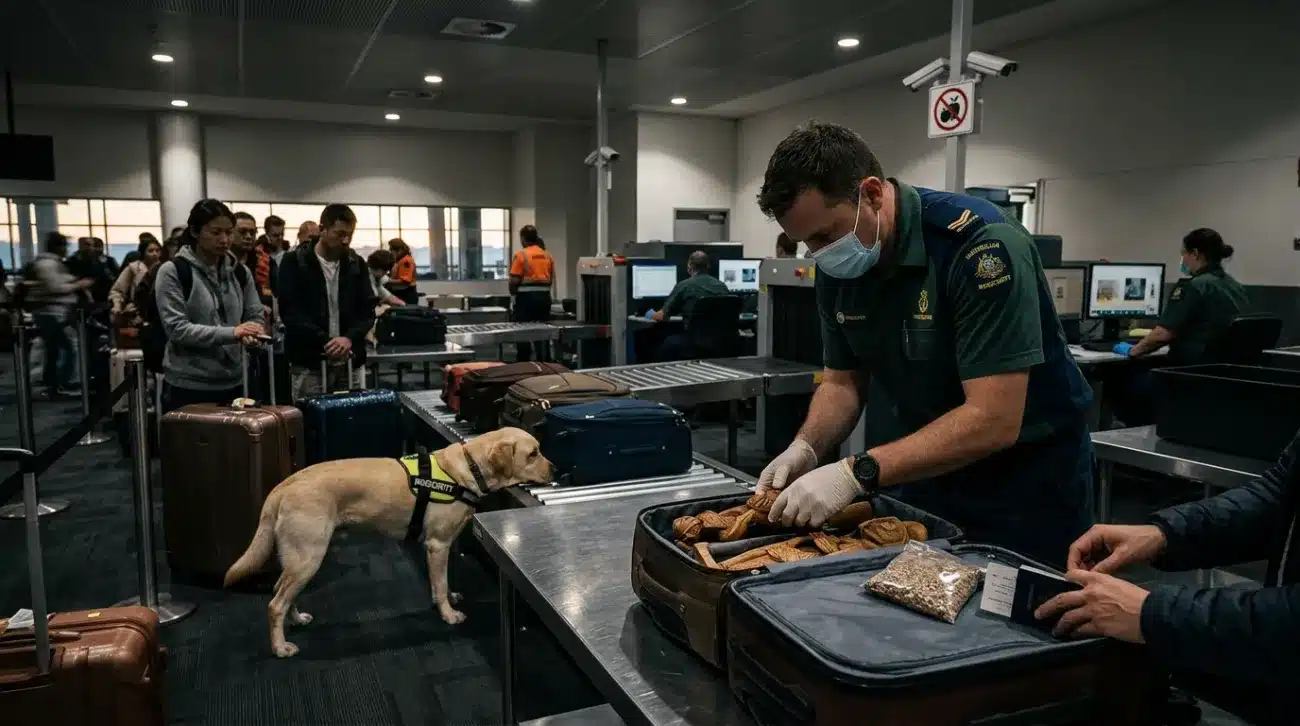
Australia consistently ranks among the world’s most stringent customs environments, with biosecurity forming the cornerstone of its border protection strategy. The nation’s geographic isolation makes it particularly vulnerable to invasive species, pests, and diseases that could devastate its unique ecosystem and agricultural industries. The Australian Border Force and the Department of Agriculture, Fisheries and Forestry work together to screen every international arrival, employing detector dogs, x-ray machines, and manual baggage inspections.
The scope of restricted items in Australia extends far beyond what many travelers expect. Fresh fruit, vegetables, meat, poultry, eggs, dairy products, live plants, and seeds are all prohibited from entry. Even seemingly innocuous items such as soil residue on hiking boots or camping equipment can trigger biosecurity alerts. Travelers must declare all food, plant material, and animal products on their incoming passenger card, and officers assess these items at inspection gates upon arrival.
Australian Penalties at a Glance
Non-Declaration Fines: Travelers who fail to declare controlled goods may face on-the-spot fines or prosecution.
Visa Consequences: For non-Australian citizens, serious biosecurity breaches can result in immediate visa cancellation and a three-year re-entry ban.
Criminal Prosecution: Extreme cases involving commercial smuggling or significant biosecurity threats can lead to up to ten years’ imprisonment and court-imposed fines exceeding AU$1 million.
Western Australia enforces additional state-level biosecurity measures beyond federal requirements, with restrictions on fresh produce, used farm equipment, plants, seeds, and soil-containing items. The state’s unique ecosystems demand extra protection, making it one of the strictest biosecurity jurisdictions anywhere in the world. Travelers arriving from other Australian states must also comply with these internal quarantine requirements.
Pacific Neighbor
New Zealand Mirrors Australia’s Zero-Tolerance Approach

New Zealand enforces biosecurity measures through the Ministry for Primary Industries that closely parallel Australia’s framework. The country’s isolation and reliance on agriculture and tourism make protecting its ecosystem a national priority. Animal products including meat, dairy, and eggs, along with fresh fruit, vegetables, honey, and wood products must be declared or disposed of in amnesty bins upon arrival at airports and seaports.
The penalty structure in New Zealand reflects the seriousness with which authorities treat biosecurity violations. Travelers face an instant fine of NZD 400 for non-declaration, with penalties escalating significantly for more serious or intentional violations. The maximum penalty for egregious cases can reach NZD 100,000, serving as a powerful deterrent against attempting to bring prohibited items into the country.
Unique Regulations
Singapore’s Famous Chewing Gum Ban and Strict Import Controls
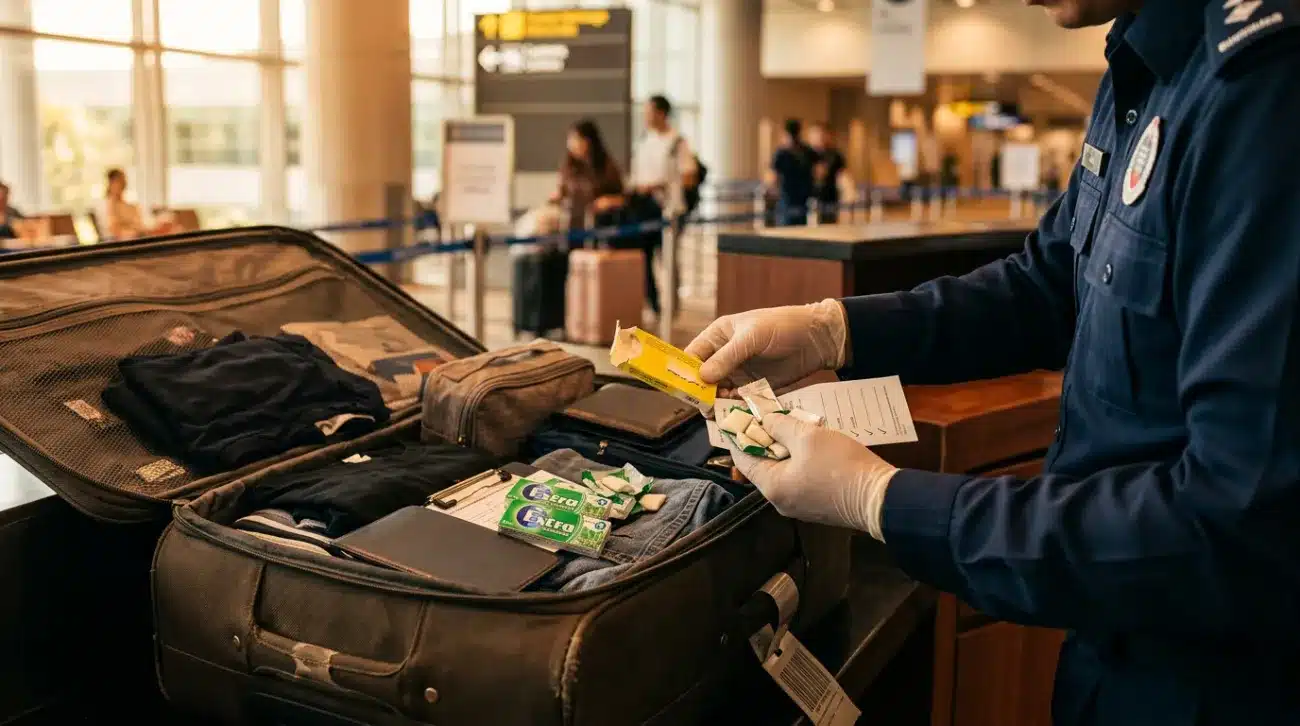
Singapore maintains one of the world’s most distinctive customs regimes, combining strict import controls with regulations that surprise many first-time visitors. The city-state’s prohibition on chewing gum has become internationally famous since its introduction in 1992, when authorities banned the import, manufacture, and sale of most chewing gum products. The regulation was implemented to address littering in public spaces and to prevent disruptions to the Mass Rapid Transit system, where vandals had placed gum on door sensors.
The chewing gum prohibition carries substantial penalties. Fines for selling chewing gum can reach S$2,000, while importing gum without authorization can carry fines up to S$100,000 on a first conviction. In 2004, Singapore partially relaxed the ban following negotiations over the US-Singapore Free Trade Agreement, allowing the import and sale of therapeutic gum products such as nicotine gum and certain dental gums. These products must be registered as health products under Singapore’s Health Products Act and obtained through authorized channels rather than general retail.
Singapore’s Broader Prohibited List
Beyond chewing gum, Singapore bans firecrackers, pornographic recordings, endangered wildlife products, psychotropic drugs, chewing tobacco, e-cigarettes, and cigarette lighters shaped like pistols. Controlled items requiring advance permits include firearms, explosives, plants, fruits, vegetables, meat, seafood, pharmaceuticals, and telecommunications equipment. Singapore enforces the death penalty for drug trafficking, making its narcotics enforcement among the most severe anywhere.
Religious Law
Saudi Arabia Enforces Customs Based on Islamic Principles
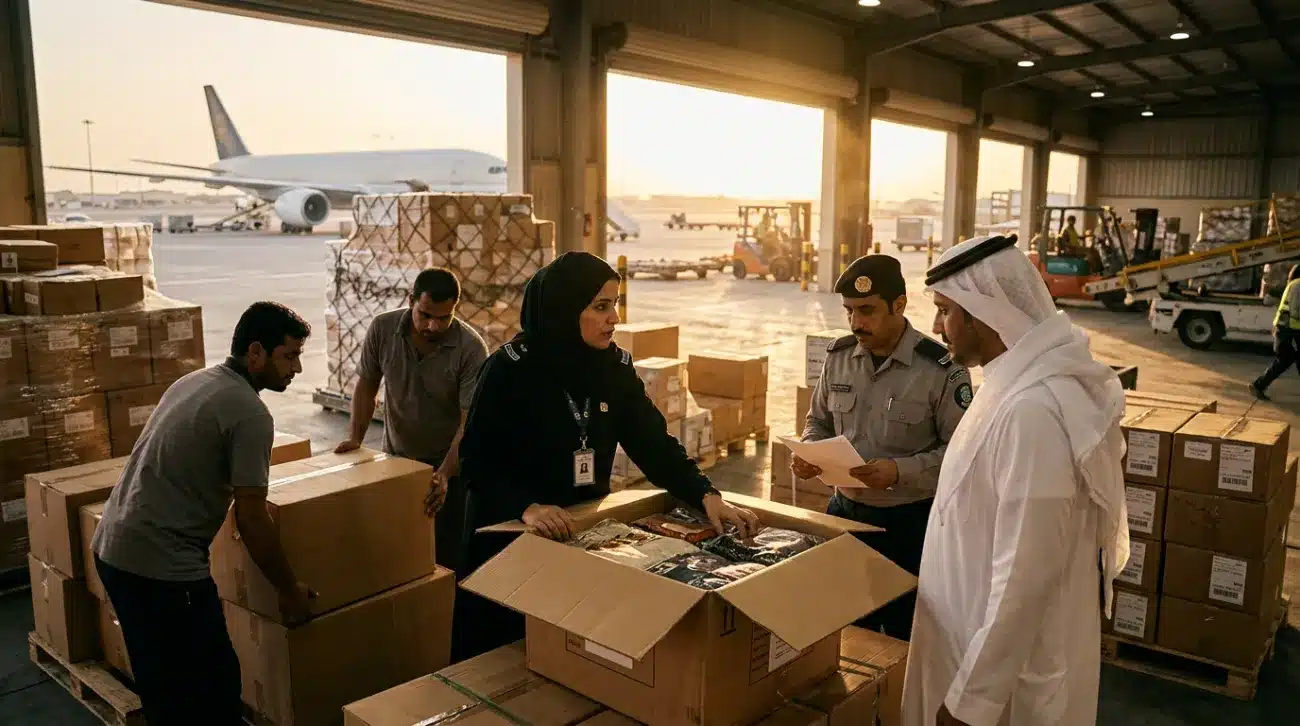
Saudi Arabia maintains customs regulations deeply rooted in Islamic law, creating a framework that differs fundamentally from secular border control systems. The kingdom enforces a total ban on alcohol with no exceptions for personal use or transit. Duty-free alcohol purchased at departing airports will be confiscated upon arrival, and carriers may face immediate arrest or deportation. This prohibition extends to products containing alcohol, including cooking wines, flavoring extracts such as vanilla extract, and wine-making equipment.
Pork and pork products are strictly prohibited from import, reflecting Islamic dietary requirements. Additionally, religious materials intended for distribution are banned, though travelers may bring a single personal copy of religious texts such as a Bible for private use. Items considered contrary to Islamic culture, including certain statues, figurines, and religious symbols from other faiths, may be confiscated. Politically sensitive materials and content deemed pornographic or offensive to Islamic values are also prohibited.
1952
King Ibn Saud banned the sale of alcohol in Saudi Arabia following a diplomatic incident involving a British official.
2024
An alcohol shop opened in Riyadh’s Diplomatic Quarter, accessible only to non-Muslim diplomats via mobile application.
2026
Intensified crackdowns on synthetic drugs and poppy seeds, with even food items containing poppy seeds now prohibited.
Prescription medications require careful attention when traveling to Saudi Arabia. High-risk medications including certain psychiatric drugs must receive electronic clearance from the Saudi Food and Drug Authority before arrival. Carrying controlled substances without proper documentation can result in severe penalties, reflecting the kingdom’s strict anti-drug stance. Travelers are advised to carry prescriptions and original packaging for all medications.
Gulf Standards
United Arab Emirates Combines Modern Tourism with Strict Controls
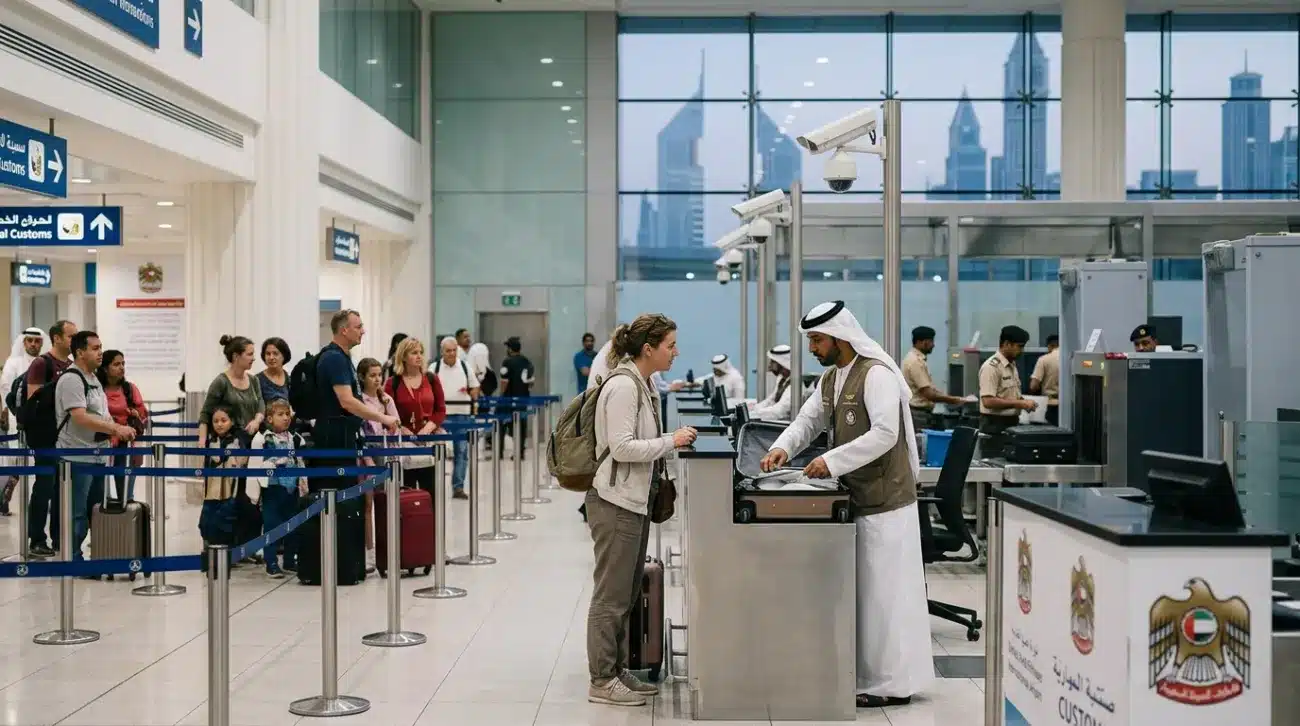
The United Arab Emirates presents an interesting contrast between its image as a global tourism and business hub and its enforcement of stringent customs regulations. While Dubai welcomes millions of international visitors annually, its customs authorities maintain zero tolerance for certain prohibited items. Unlike Saudi Arabia, the UAE permits limited alcohol imports for non-Muslim adults aged eighteen and over, with current allowances of up to four liters of alcoholic beverages or two cartons of beer within duty-free limits.
Narcotics enforcement in the UAE is particularly severe, with any trace amount of controlled substances potentially resulting in imprisonment. Poppy seeds, commonly found on bagels and in spice mixes, are banned as a source of opium. Betel leaves, widely consumed in parts of Asia, are illegal in the UAE. Prescription medications including psychotropic drugs such as Xanax, Valium, Tramadol, and Codeine require pre-approved permits from the UAE Ministry of Health before travelers can bring them into the country.
Non-halal slaughtered meat is prohibited, and all imported meat must carry official halal certification. Gambling tools, machines, and devices are banned, as are counterfeit goods and forged currency. The UAE Federal Customs Authority notes that smuggling penalties can include fines, imprisonment from one month to three years, or both, along with confiscation of items and tools used in smuggling activities.