Traveler’s Consumer Guide
Rental Car Insurance Traps Most Travelers Miss
A plain-language look at where waivers, personal auto policies and credit card benefits leave gaps at the rental counter.
Standing at a rental counter after a long flight, many travelers are asked to make a fast decision about coverage, and that is where the most common rental car insurance traps tend to appear. The agent’s offer sounds like insurance, your own auto policy may or may not follow you, and the credit card in your wallet may carry conditions you have never read. Each layer of protection covers some risks and leaves others open, and the gaps are often found in the fine print rather than in the headline benefit. This article walks through the main pitfalls using information published by rental companies, insurers, card issuers and consumer finance outlets.
The Collision Damage Waiver Is Not Actually Insurance

The first surprise for many renters is terminology. Avis explains on its help pages that a collision damage waiver, or CDW, is a rental coverage option but “not insurance at all”. Instead, the company says, it reduces your financial responsibility for the car as long as you follow the terms of the rental agreement. Avis adds that CDW is the same product as a loss damage waiver, or LDW, and that it is added to the rental for an additional daily charge. Yahoo Finance describes the same arrangement: the waiver shifts the burden of damage or theft away from the renter, and the rental agency looks to its own insurer instead. Without it, that report notes, you are ultimately responsible for damage that was not on the vehicle when you picked it up.
The word “waiver” matters because a waiver depends on conditions. Discover Cars notes that CDWs have exclusions for damage caused when the renter breaks the rental agreement, and it lists reckless driving, driving under the influence, driving through flooded streets and ignoring warning lights as examples. WalletHub adds that loss or theft caused by negligence, such as leaving a car running outside a hotel, may fall outside a waiver, and that damage in certain countries, Mexico among them, may not be covered either. Discover Cars also says what a CDW includes varies by location and by company, and that items such as loss of use fees and the interior of the car may not be covered, so the rental agreement itself is the document to read.
Deductibles are another point where sources differ. Allianz Travel Insurance says these waivers typically include a deductible. WalletHub says a waiver sold for a U.S. rental will typically cover repairs without a deductible, while an international rental could carry one of up to several thousand dollars. Because the figures vary by company and country, the deductible is worth confirming before you sign.
Fact Box: Waiver Basics
Avis states that, with an LDW in place, it handles insurance claims and repairs and does not notify the renter’s personal insurer, so personal premiums are not affected by a covered incident. Other companies’ terms may differ, which is one more reason to read the specific agreement.
Personal Auto Insurance and Rental Car Coverage Gaps
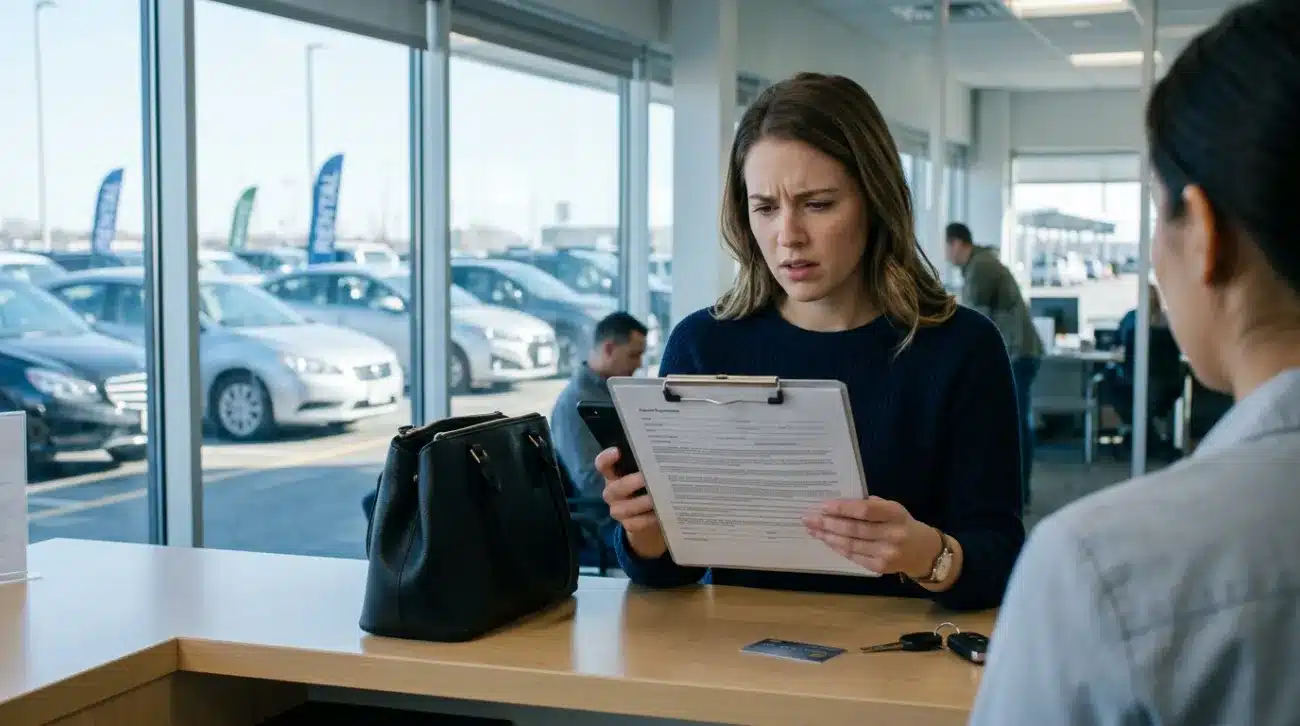
A common assumption is that a personal car policy simply follows the driver into any rental. Liberty Mutual says that in most instances personal auto insurance will extend to a rental car, but that the level of protection depends on the specific policy. A liability-only policy extends liability only, while a policy with comprehensive and collision coverage usually carries those benefits over, deductibles included, as long as the use is personal rather than business.
The limits of that extension are where travelers get caught. EInsurance points out that if you carry only the liability and uninsured motorist coverage most states require, your policy will not cover loss of or damage to the rental. Even with collision and comprehensive coverage, it says, payment may be limited to the value of the car you own rather than the one you rented, and may be based on actual cash value, while a rental contract can require reimbursement of the full retail value. That source also warns that a personal policy may not cover the rental company’s claim for loss of use while the car is out of service, nor a diminished value claim after repair. InsureOne adds that you may not be covered for an exotic or luxury rental, so it advises checking first.
Progressive makes a related point from the insurer’s side: a damage waiver may still make sense if your policy excludes rental vehicles or you carry a high collision deductible, since many waivers do not have one.
Rental Car Insurance Abroad: Where Domestic Coverage Often Stops

International trips add another layer. FinalRentals states that most U.S. and Canadian personal auto policies do not extend coverage abroad, though some offer limited coverage in Canada or Mexico, and it advises assuming that coverage does not apply in a country such as Albania unless the insurer confirms in writing. Liberty Mutual similarly recommends checking with both your auto insurer and your credit card provider before traveling internationally. Allianz and AwardWallet both note that local arrangements differ, and AwardWallet gives Australia as an example of a country where rental companies build partial liability insurance into the rental price.
Credit Card Rental Coverage: Primary Versus Secondary Explained

Credit card benefits are the most frequently misunderstood layer. Chase says card-based auto rental coverage is typically secondary to any personal auto insurance you hold, meaning it pays after your own policy, though some cards offer primary coverage that may let you bypass your insurer. Visitors Coverage describes secondary coverage as paying only remaining charges such as deductibles after your existing insurance pays first, and says most standard cards provide secondary protection. AwardWallet cautions that secondary coverage often runs only 15 to 20 consecutive rental days, and that some policies reimburse only administrative fees or loss of use.
Whether a card is primary can surprise even frequent travelers. Going.com notes that the American Express Platinum Card offers only secondary rental coverage, with an optional Premium Car Rental Protection available for a flat rate that varies by state of residence. The Points Guy and FinalRentals both note that if you do not own a car or carry auto insurance, secondary card coverage typically becomes your primary protection by default. Chase adds that some secondary coverages become primary when renting outside the U.S.
Conditions of activation also matter. Going.com says you generally must pay for the rental with the card offering the benefit and normally decline the rental agency’s collision damage waiver for the card coverage to apply. It adds that secondary drivers are generally covered only if they are listed on the rental contract, and that one card it profiles covers up to 31 consecutive days. Visitors Coverage notes that some policies exclude certain components, such as tires or windshields, so the card’s guide to benefits is the authoritative source. Chase itself suggests reviewing that guide so you understand what is and is not covered.
Context Box: Excluded Vehicles
The Points Guy reports that card policies may not cover large passenger vans, pickup trucks, antique vehicles, RVs or motorcycles, and that rentals through peer-to-peer platforms such as Turo are often excluded as well. It also notes that the list of excluded countries varies by card and issuer, and recommends calling the number on your card before renting abroad.
The Liability and Belongings Blind Spot in Rental Car Protection
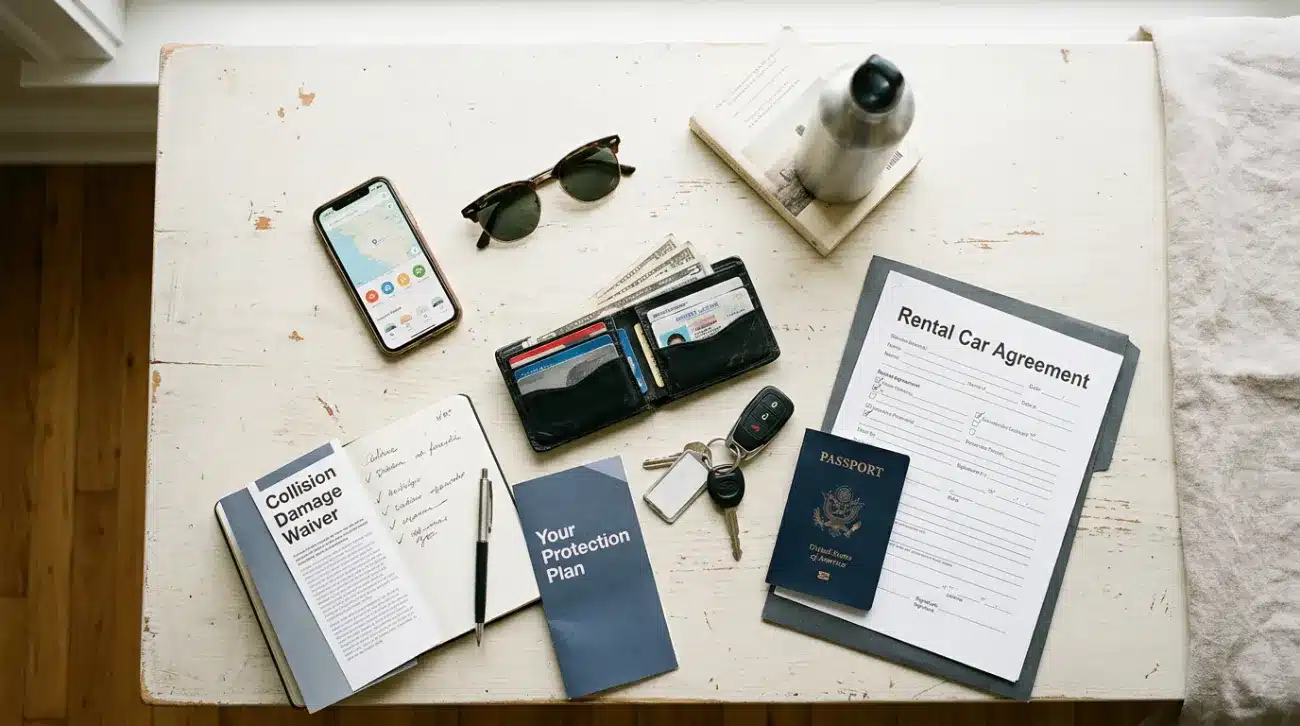
Perhaps the most consequential gap is liability. FinalRentals states that credit card rental benefits do not provide liability or medical coverage: they reimburse loss or damage to the rental itself, not injuries or damage you cause to another person’s property. AwardWallet and The Points Guy say the same. WalletHub likewise says a collision damage waiver does not cover other people’s property or anyone’s injuries. Visitors Coverage adds that items stolen from inside a rental, such as luggage or electronics, are not covered by card rental benefits.
Rental companies sell separate products for these risks. Avis says it offers other protection options for medical expenses and damage to possessions, and Discover Cars notes that many rental companies sell supplemental insurance at the counter for injuries and belongings. Whether you need them depends on what your auto, health, homeowners or renters, and travel policies already provide, which is a question to answer before arriving at the counter.