Commercial Complexity
Brazil, China, and India Present Complex Import Challenges
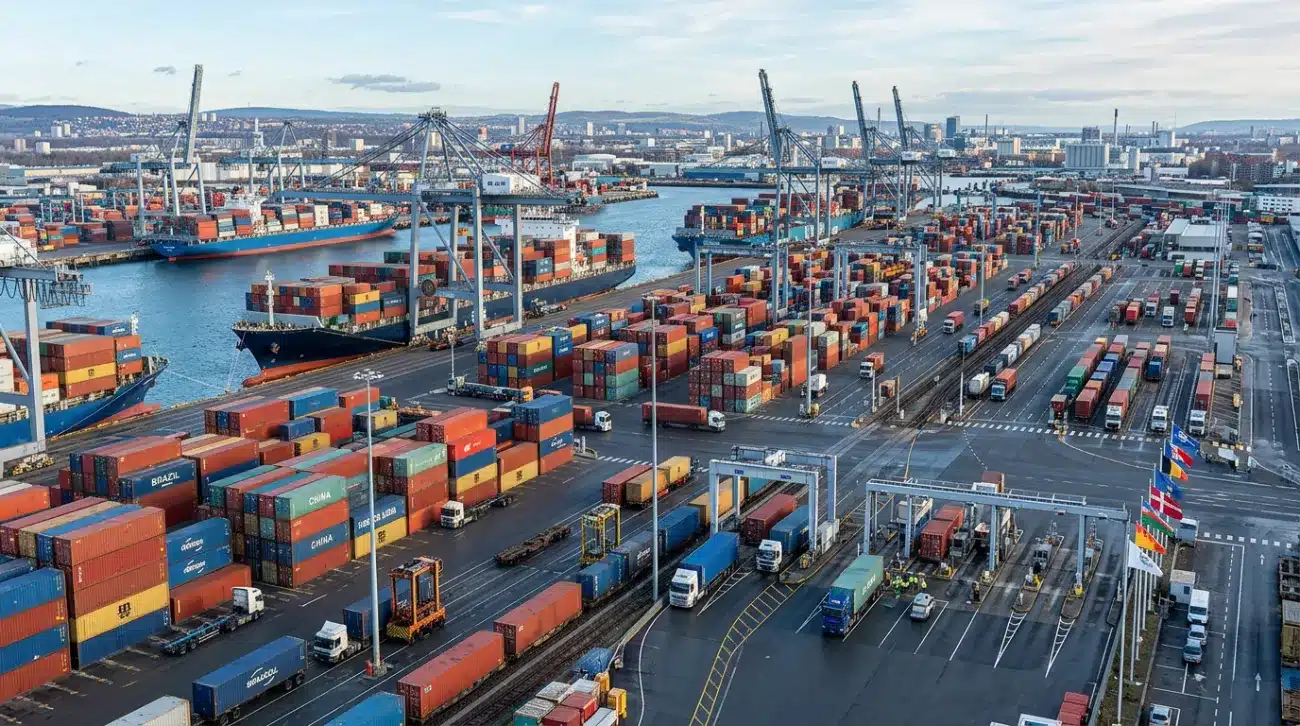
Beyond countries with distinctive cultural or biosecurity-driven customs regimes, several major economies maintain customs systems notable for their procedural complexity rather than specific prohibitions. Brazil has developed a reputation for lengthy customs clearance processes, strict regulations, and complicated tariff structures that require local expertise and meticulous documentation to navigate successfully. The bureaucratic requirements can delay shipments substantially without proper preparation.
Brazil
Documentation Intensive
Complex tariff structures and lengthy clearance processes requiring expert local knowledge and detailed paperwork.
China
High Tariffs & Inspections
Strict controls on luxury goods and electronics with frequent inspections and extensive red tape.
India
Variable Regulations
Requirements differ by port of entry, with valuation and classification disputes common without watertight documentation.
Russia
Frequent Changes
Complex requirements subject to frequent modification, creating compliance challenges for importers.
China applies strict controls particularly to items considered luxury goods or high-technology products, with customs officers scrutinizing declared quantities and values for electronic devices, jewelry, and works of art. India presents additional complexity because regulations can vary depending on the port of entry, making consistent compliance challenging. Valuation disputes and classification problems commonly cause delays, especially when documentation fails to meet local requirements precisely.
2025-2026 Developments
Recent Global Customs Changes Affecting International Travelers
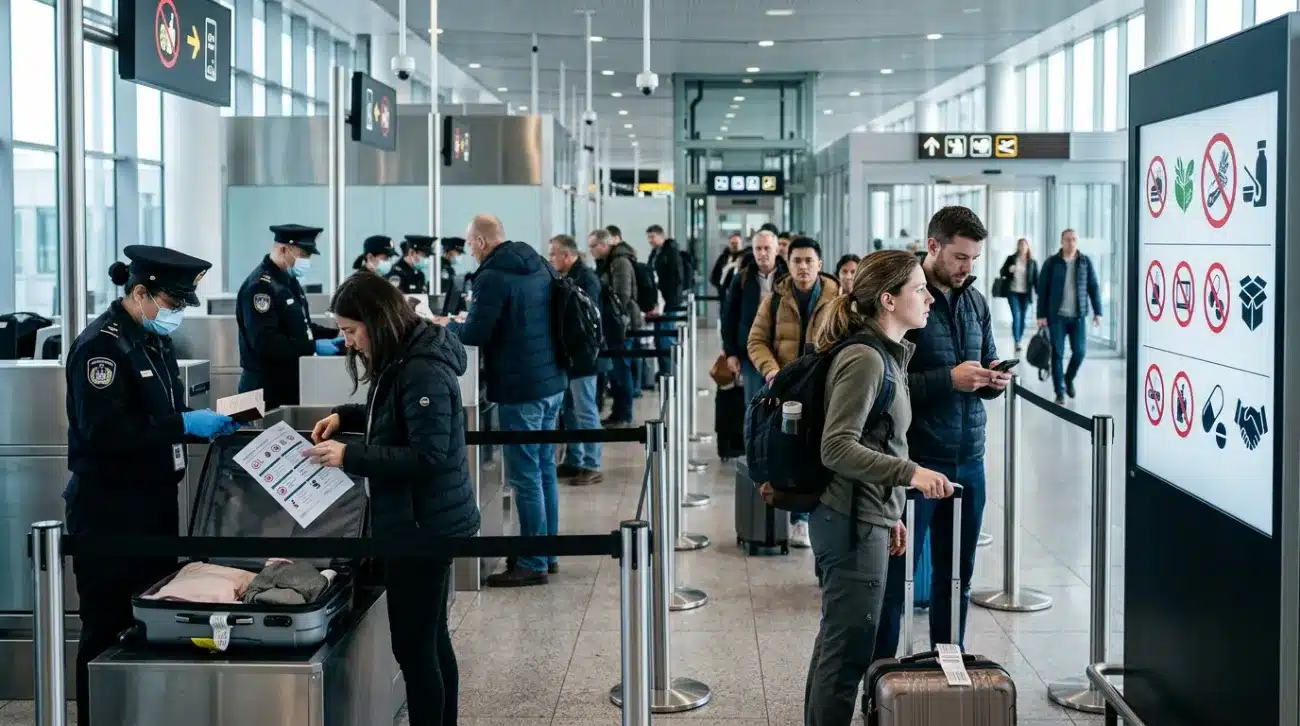
The global customs landscape continues to evolve, with several significant regulatory changes taking effect in recent months. The United States terminated its de minimis exemption for packages from China and Hong Kong effective May 2, 2025. Previously, shipments valued under eight hundred dollars were exempt from tariffs; now they face duties of 120 percent or a flat fee of one hundred dollars, increasing after June 2025. This change substantially affects e-commerce shipments and travelers carrying goods from these regions.
The European Union has tightened controls on several fronts. Transport companies must now submit precise freight and shipment data via Entry Summary Declaration before goods arrive in the EU. The Centralized Clearance for Import system, launching by end of 2025, will allow businesses to submit import declarations centrally regardless of physical entry point. Stricter export control regulations apply to dual-use goods and critical technologies, with increased audit frequency expected.
Canada implemented stricter measures for elephant tusk ivory and rhinoceros horn products as of January 2024, with new permit requirements affecting both raw items and worked personal effects. The Canada Border Services Agency now offers a Customs Declaration App allowing travelers to submit information before landing, streamlining the arrival process while maintaining enforcement rigor.
Key Traveler Takeaways
Research destination-specific prohibitions before packing. Declare all items when in doubt rather than risking penalties. Carry documentation for medications and high-value goods. Clean outdoor equipment thoroughly before traveling to biosecurity-focused countries. Check for recent regulatory changes, as customs rules evolve frequently in response to geopolitical and public health developments.
Final Thoughts
Navigating Border Controls in an Era of Heightened Enforcement
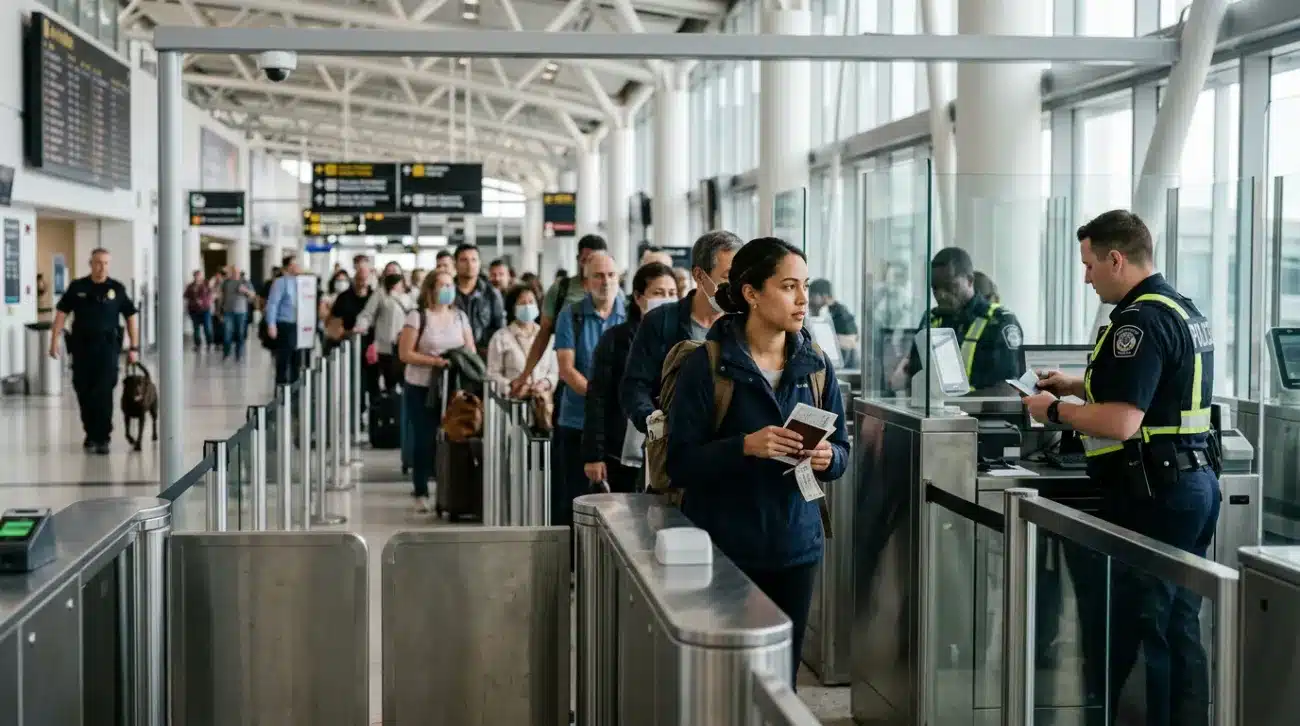
The countries with the strictest customs rules share a common thread: they prioritize specific national interests, whether ecological preservation, religious observance, or public safety, above traveler convenience. As global travel continues to recover and expand, customs enforcement has only intensified, with technology enabling more thorough screening and databases allowing authorities to track repeat offenders across borders. Travelers who invest time in understanding destination requirements before departure will find border crossings significantly smoother, while those who assume permissiveness or plead ignorance risk consequences ranging from minor inconvenience to serious legal jeopardy. The fundamental lesson remains straightforward: when crossing international borders, what seems ordinary at home may be extraordinary, or outright illegal, abroad.