Starting Behind the Wheel Too Soon After Arrival

One of the most overlooked mistakes is simply starting to drive too soon after arrival. After a flight, most people are tired, slightly disoriented, and mentally overloaded. Travelers process new environments, unfamiliar rental systems, and unknown road conditions simultaneously while also attempting to navigate foreign traffic patterns. This combination of jet lag, travel fatigue, and cognitive overload creates dangerous conditions that impair driving ability as significantly as alcohol in some cases.
The pressure to maximize vacation time pushes many travelers to pick up rental cars immediately upon arrival, driving directly from airports to distant destinations while exhausted. General fatigue can make it easy to assume that everything has been documented correctly during vehicle inspection, leading to the documentation failures that enable damage disputes later. More critically, fatigue combined with unfamiliar driving conditions—different road signs, unexpected traffic patterns, vehicles with controls on opposite sides—multiplies the risk of serious accidents.
Key Protection Strategy
Consider delaying car pickup until the day after arrival when possible. Use airport transfers or taxis for initial transportation, allowing time to rest and acclimate before taking the wheel in an unfamiliar driving environment.
Transmission and Vehicle Selection Errors

The assumption that automatic transmission vehicles will be readily available leads many travelers into difficult situations. When renting a car in Portugal and many other European countries, most rental cars come with manual transmission. While automatic cars are typically available, they usually come at a higher cost and must be reserved specifically. Travelers who do not confirm automatic transmission in advance may find themselves facing a choice between driving a manual vehicle they cannot operate safely or forfeiting their reservation entirely.
Vehicle size presents additional challenges that travelers from countries with wide roads and large parking spaces may not anticipate. European parking garages feature spiral ramps and assigned spots that can be incredibly narrow. Underground parking spaces included with many apartments barely accommodate small vehicles, making larger rental cars nearly impossible to maneuver without damage. The smallest car that fits a group and luggage is often the wisest choice, despite the temptation to rent larger, more comfortable vehicles.
Cross-Border Complications

Travelers planning to cross international borders in rental vehicles face restrictions and fees that can derail trip plans entirely. Many renters mistakenly assume their insurance will cover them in all countries, only to find themselves in precarious situations when crossing borders. Some rental agencies may require additional insurance or charge cross-border fees, and certain border crossings may be prohibited entirely under rental agreements.
The terms hidden in rental contracts often specify prohibited areas that travelers overlook. Driving from Spain to Morocco, for example, violates many rental agreements entirely. In the event that customers travel abroad without notifying the rental agency and without purchasing required cross-border supplements, roadside assistance and insurance services may no longer be considered valid. Travelers become fully responsible for accidents, damages, theft, car immobilization fees, and any recovery costs—potentially catastrophic financial exposure in unfamiliar countries with different legal systems.
Common Rental Car Excess Charges by Region
Source: Consumer reports and rental agency documentation, 2024-2026. Values represent typical maximum excess without full coverage.
The Road Ahead: Safe International Car Rental
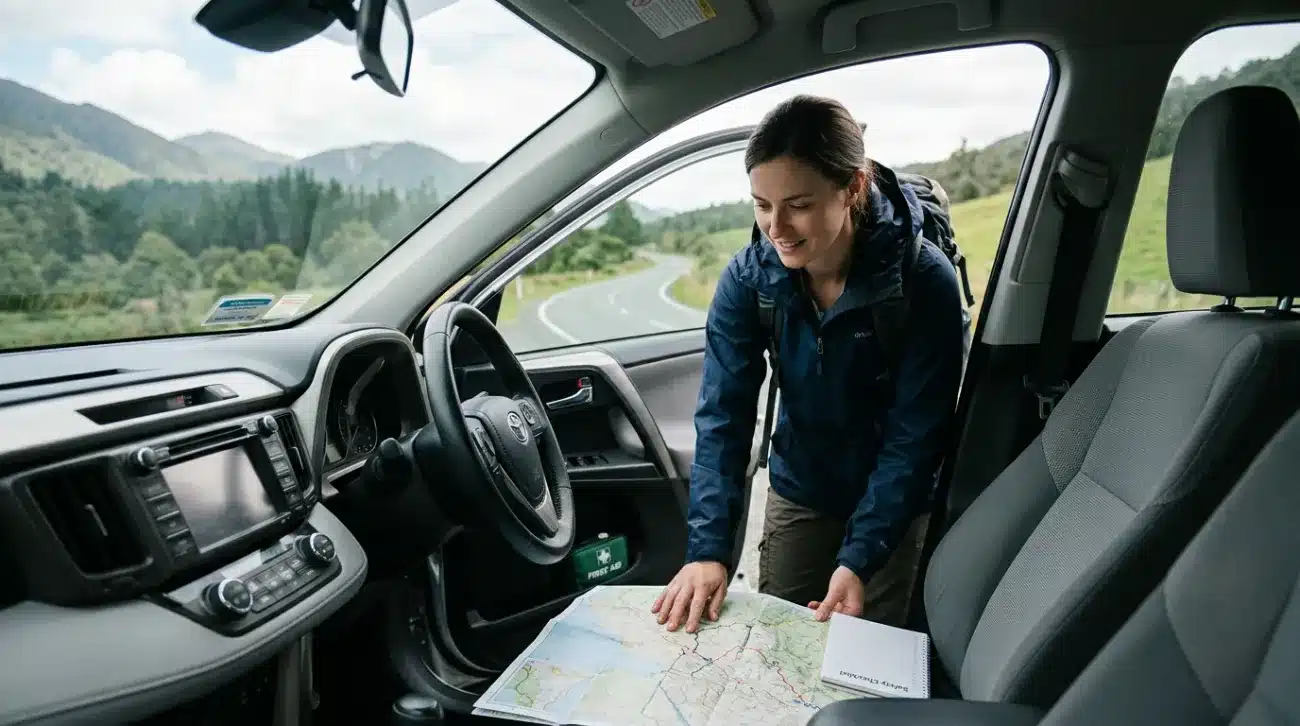
The freedom of exploring foreign destinations by car remains one of travel’s great pleasures, but that freedom demands careful preparation and constant awareness. Every traveler who picks up keys at an overseas rental counter accepts responsibility not only for their own safety but for other road users who share unfamiliar highways and city streets. By understanding insurance requirements before booking, documenting vehicles thoroughly at pickup, respecting the cognitive demands of driving in new environments, and recognizing that local driving cultures differ substantially from home, travelers can avoid the financial devastation of unexpected charges and, far more importantly, the life-altering consequences of accidents that proper preparation might have prevented.