Skip to content
Family Travel Guide

Why Road Trips Beat Flying For Families

From cost savings to quality bonding time, families are rediscovering the enduring appeal of the open road

When planning a family vacation, the debate between road trips and flying has intensified in recent years, with many parents discovering that driving offers advantages that airports simply cannot match. Road trips beat flying for families in numerous ways, from significant cost savings when traveling with multiple children to the flexibility of setting your own schedule and the irreplaceable bonding opportunities that come from hours spent together in the car. According to the AAA Foundation for Traffic Safety, Americans take approximately 2.3 billion vehicle trips over 50 miles each year, with family vacations representing a substantial portion of that figure. As airline fees continue to climb and airport experiences grow more stressful, families across the country are returning to the time-honored tradition of loading up the car and hitting the open road.

The Economics of Family Travel Costs

The Economics of Family Travel Costs

The financial argument for road trips becomes increasingly compelling as family size grows. Airlines typically charge full fare for children over two years old, meaning a family of four faces the prospect of purchasing four full-price tickets. According to the Bureau of Transportation Statistics, the average domestic airfare in the United States was approximately $380 per round-trip ticket in 2023, translating to over $1,500 for a family of four before accounting for baggage fees, seat selection charges, and other add-ons that have become standard in the industry.

Road trip expenses, while variable based on distance and vehicle fuel efficiency, often prove significantly more manageable. The AAA estimates that the average cost of driving is roughly 65 to 75 cents per mile when factoring in gas, maintenance, and depreciation for a midsize sedan. For a 500-mile journey each way, this translates to approximately $650 to $750 total, regardless of whether two or six passengers occupy the vehicle. This fixed-cost-per-trip model fundamentally favors larger families who would otherwise multiply airfare expenses by head count.

Cost Comparison Insight

Families traveling by car can also pack coolers with food, stop at grocery stores along the way, and avoid expensive airport dining, where a single meal for a family of four can easily exceed $80. The cumulative savings on food alone during a week-long trip can amount to several hundred dollars.

Beyond direct transportation costs, families must consider the hidden expenses associated with flying. Checked baggage fees now average $35 to $40 per bag each way on most domestic carriers, according to airline fee disclosures. A family checking four suitcases faces $280 to $320 in baggage fees alone. Road trippers simply load their luggage into the trunk at no additional cost, often bringing items that would be impractical or impossible to fly with, such as beach equipment, sports gear, bicycles, or beloved comfort items for young children.

Schedule Flexibility and Spontaneous Adventures

Schedule Flexibility and Spontaneous Adventures

One of the most frequently cited advantages of family road trips is the complete control over timing and itinerary. Unlike air travel, which demands adherence to strict departure times, security checkpoint procedures, and boarding protocols, driving allows families to leave precisely when ready. Parents of young children particularly appreciate the ability to depart during naptime or late evening, allowing kids to sleep through a significant portion of the journey.

The flexibility extends to the journey itself. Families can stop at roadside attractions, national parks, historic landmarks, or simply a particularly scenic overlook that catches their eye. These unplanned detours often become the most cherished memories of a vacation. The World’s Largest Ball of Twine, quirky diners, or an unexpected wildlife sighting become stories retold for years, experiences that simply cannot occur at 35,000 feet.

Road Trip Flexibility Advantages

🕐
Departure
Leave when you’re ready, not when the airline dictates
🗺️
Route
Modify your path to include unexpected discoveries
⏸️
Breaks
Stop whenever needed for rest, food, or exploration
🎒
Packing
Bring as much as your vehicle can hold without fees

Air travel, by contrast, offers little room for spontaneity. Connecting flights mean rushing through airports, layovers mean waiting in terminals, and delays mean missed connections and scrambled plans. Weather disruptions can strand families far from home with limited recourse. The Federal Aviation Administration reports that in 2023, approximately 21 percent of domestic flights experienced delays, and around 1.5 percent were cancelled outright. For families traveling with children who have specific needs, dietary requirements, or simply limited patience, these disruptions can transform a vacation into an ordeal.

Quality Bonding Time on the Open Road

Quality Bonding Time on the Open Road

Perhaps the most compelling argument for family road trips transcends finances and logistics: the opportunity for genuine connection. In an era when family members often retreat to separate screens and activities, the car becomes a rare shared space where conversation naturally flows. The American Academy of Pediatrics has emphasized the importance of regular family time for child development, and road trips provide hours of uninterrupted togetherness that modern life rarely affords.

Classic road trip activities like playing license plate games, singing along to music, or simply talking about life create lasting memories and strengthen family bonds. Children who might resist structured conversation at home often open up during long drives, sharing thoughts about school, friendships, and their inner lives. Parents gain insight into their children’s perspectives, while siblings develop patience and cooperation skills that serve them throughout life.
The shared experience of navigating challenges together also builds family resilience. When unexpected detours arise, when everyone grows hungry at the same time in a town with limited options, or when mechanical issues require problem-solving, families learn to work as a team. These experiences, while occasionally frustrating in the moment, become the foundation of family identity and inside jokes that persist for decades.

Avoiding Airport Stress with Young Children

Avoiding Airport Stress with Young Children

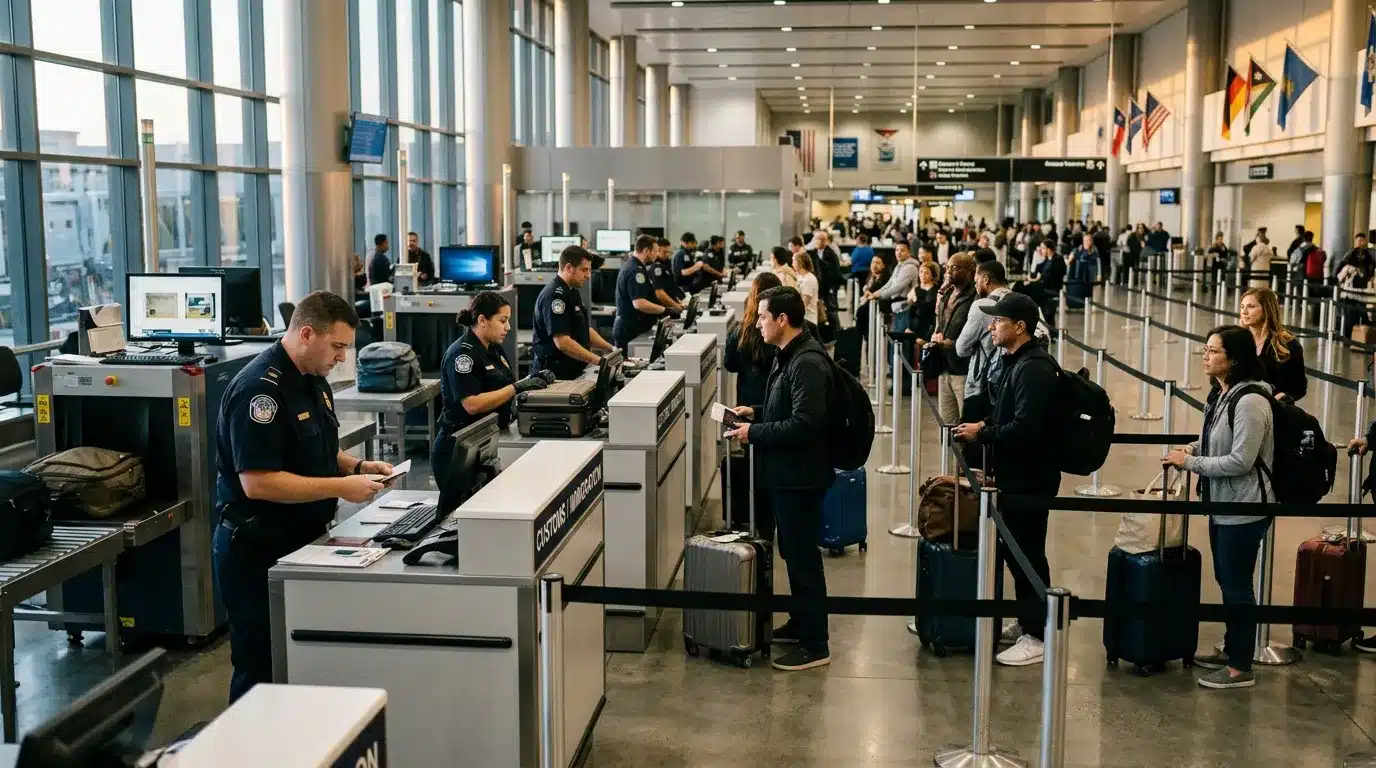
Parents who have navigated airports with toddlers, car seats, strollers, and the various accoutrements of young childhood understand the particular stress of air travel with small children. Security checkpoints require removing shoes, unpacking electronics, and collapsing strollers while managing children who may not understand why they cannot run freely. The Transportation Security Administration has implemented family lanes at some airports, but the experience remains challenging for most parents.

The confined space of an airplane presents additional concerns. Children experiencing ear pain during takeoff and landing, limited ability to move during flights, and the proximity of other passengers who may not appreciate childhood exuberance all contribute to parental anxiety. A 2019 survey by the travel booking site Expedia found that passengers ranked crying children among their top complaints about air travel, creating additional pressure on parents already managing difficult circumstances.

Child Safety Consideration

The National Highway Traffic Safety Administration confirms that car seats properly installed in vehicles provide optimal protection for children. While airlines allow children under two to sit on a parent’s lap, the Federal Aviation Administration recommends approved child safety seats for all children on flights. In a car, children remain in their familiar car seats throughout the journey.

Road trips allow parents to manage children’s needs on their own terms. When a child needs a bathroom break, the family stops. When children grow restless, parents can pull over at a rest area with a grassy space for running. When snack time arrives, familiar foods packed from home satisfy without the expense and limited options of airport vendors. This autonomy dramatically reduces the stress associated with traveling with young children.

Comparing Travel Preferences Among American Families

Comparing Travel Preferences Among American Families

Survey data consistently demonstrates that American families frequently choose road trips over other travel methods. According to a 2023 survey conducted by the travel platform Vrbo, approximately 78 percent of American families planned to take at least one road trip that year. The same research indicated that families cited budget friendliness, flexibility, and the ability to bring more belongings as primary motivators for choosing to drive.

Primary Reasons Families Choose Road Trips Over Flying

0% 20% 40% 60% 80% Cost Savings 62% Flexibility 58% Bring More Items 47% Family Bonding 43% Pet Friendly 31%
Source: Vrbo Family Travel Survey, 2023

The pet-friendly nature of road trips deserves particular attention, as many families consider their pets integral family members. Airlines have increasingly restricted pet policies in recent years, with most carriers no longer allowing emotional support animals and limiting in-cabin pets to small animals that fit under seats. For families with dogs, road trips may represent the only practical way to travel together without boarding expenses or the emotional difficulty of leaving a beloved pet behind.

Maximizing the Family Road Trip Experience

Maximizing the Family Road Trip Experience

Successful family road trips require thoughtful preparation that differs from packing for a flight. Experienced road trip families recommend involving children in route planning, allowing them to research and select stops along the way. This investment gives children a sense of ownership over the journey and maintains their engagement throughout the trip. Websites like Roadside America catalog unusual attractions that might otherwise escape notice, providing ready-made research material for curious young travelers.

Entertainment planning proves equally important. While audiobooks and podcasts can engage the entire family, road trip veterans suggest limiting screen time to preserve the social benefits of the journey. Classic games like twenty questions, story building where each person adds a sentence, or alphabet games using roadside signs keep children entertained while encouraging interaction. Many families establish technology-free periods during each driving day, treating them as dedicated conversation time.

Key Planning Considerations

✓ Schedule regular stops every two to three hours to allow children to move and explore
✓ Pack a dedicated activity bag for each child with varied entertainment options
✓ Prepare healthy snacks in advance to avoid reliance on gas station convenience foods
✓ Build buffer time into your schedule to accommodate unexpected discoveries and delays

Comfort preparations can make a substantial difference in trip enjoyment. Neck pillows, blankets, and familiar items from home help children rest during long stretches. Window shades reduce heat and glare, while seat organizers keep essential items within reach. Parents who ensure vehicle maintenance before departure, including tire checks, oil changes, and brake inspections, travel with greater peace of mind and reduce the likelihood of mechanical disruptions.

The Enduring Appeal of Family Adventures on Four Wheels

The Enduring Appeal of Family Adventures on Four Wheels

The choice between road trips and flying ultimately depends on distance, destination, and individual family circumstances, but for many families, the advantages of driving prove compelling. The combination of cost savings, schedule flexibility, bonding opportunities, and reduced stress creates a travel experience that airports and aircraft simply cannot replicate. As airlines continue to unbundle services and charge fees for amenities once considered standard, and as families seek meaningful ways to connect in an increasingly fragmented world, the family road trip endures as a distinctly American tradition that delivers both practical benefits and lasting memories. The journey itself becomes part of the vacation rather than merely the means to reach it, transforming travel from a necessary inconvenience into an adventure worth savoring.