The shared experience of navigating challenges together also builds family resilience. When unexpected detours arise, when everyone grows hungry at the same time in a town with limited options, or when mechanical issues require problem-solving, families learn to work as a team. These experiences, while occasionally frustrating in the moment, become the foundation of family identity and inside jokes that persist for decades.
Avoiding Airport Stress with Young Children

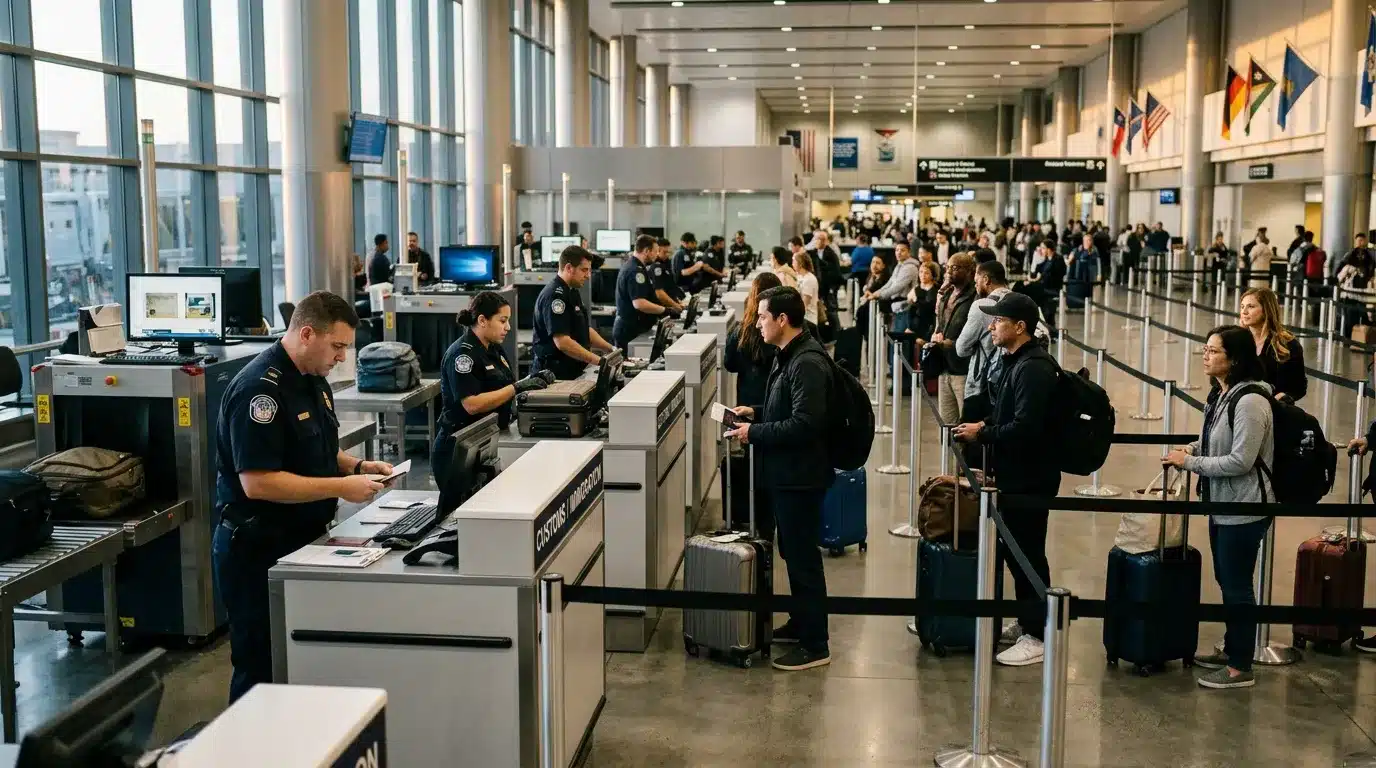
Parents who have navigated airports with toddlers, car seats, strollers, and the various accoutrements of young childhood understand the particular stress of air travel with small children. Security checkpoints require removing shoes, unpacking electronics, and collapsing strollers while managing children who may not understand why they cannot run freely. The Transportation Security Administration has implemented family lanes at some airports, but the experience remains challenging for most parents.
The confined space of an airplane presents additional concerns. Children experiencing ear pain during takeoff and landing, limited ability to move during flights, and the proximity of other passengers who may not appreciate childhood exuberance all contribute to parental anxiety. A 2019 survey by the travel booking site Expedia found that passengers ranked crying children among their top complaints about air travel, creating additional pressure on parents already managing difficult circumstances.
The National Highway Traffic Safety Administration confirms that car seats properly installed in vehicles provide optimal protection for children. While airlines allow children under two to sit on a parent’s lap, the Federal Aviation Administration recommends approved child safety seats for all children on flights. In a car, children remain in their familiar car seats throughout the journey.
Road trips allow parents to manage children’s needs on their own terms. When a child needs a bathroom break, the family stops. When children grow restless, parents can pull over at a rest area with a grassy space for running. When snack time arrives, familiar foods packed from home satisfy without the expense and limited options of airport vendors. This autonomy dramatically reduces the stress associated with traveling with young children.
Comparing Travel Preferences Among American Families

Survey data consistently demonstrates that American families frequently choose road trips over other travel methods. According to a 2023 survey conducted by the travel platform Vrbo, approximately 78 percent of American families planned to take at least one road trip that year. The same research indicated that families cited budget friendliness, flexibility, and the ability to bring more belongings as primary motivators for choosing to drive.
Primary Reasons Families Choose Road Trips Over Flying
The pet-friendly nature of road trips deserves particular attention, as many families consider their pets integral family members. Airlines have increasingly restricted pet policies in recent years, with most carriers no longer allowing emotional support animals and limiting in-cabin pets to small animals that fit under seats. For families with dogs, road trips may represent the only practical way to travel together without boarding expenses or the emotional difficulty of leaving a beloved pet behind.
Maximizing the Family Road Trip Experience

Successful family road trips require thoughtful preparation that differs from packing for a flight. Experienced road trip families recommend involving children in route planning, allowing them to research and select stops along the way. This investment gives children a sense of ownership over the journey and maintains their engagement throughout the trip. Websites like Roadside America catalog unusual attractions that might otherwise escape notice, providing ready-made research material for curious young travelers.
Entertainment planning proves equally important. While audiobooks and podcasts can engage the entire family, road trip veterans suggest limiting screen time to preserve the social benefits of the journey. Classic games like twenty questions, story building where each person adds a sentence, or alphabet games using roadside signs keep children entertained while encouraging interaction. Many families establish technology-free periods during each driving day, treating them as dedicated conversation time.
Key Planning Considerations
Comfort preparations can make a substantial difference in trip enjoyment. Neck pillows, blankets, and familiar items from home help children rest during long stretches. Window shades reduce heat and glare, while seat organizers keep essential items within reach. Parents who ensure vehicle maintenance before departure, including tire checks, oil changes, and brake inspections, travel with greater peace of mind and reduce the likelihood of mechanical disruptions.
The Enduring Appeal of Family Adventures on Four Wheels

The choice between road trips and flying ultimately depends on distance, destination, and individual family circumstances, but for many families, the advantages of driving prove compelling. The combination of cost savings, schedule flexibility, bonding opportunities, and reduced stress creates a travel experience that airports and aircraft simply cannot replicate. As airlines continue to unbundle services and charge fees for amenities once considered standard, and as families seek meaningful ways to connect in an increasingly fragmented world, the family road trip endures as a distinctly American tradition that delivers both practical benefits and lasting memories. The journey itself becomes part of the vacation rather than merely the means to reach it, transforming travel from a necessary inconvenience into an adventure worth savoring.