Travel Safety Guide
Ways Solo Female Travelers Stay Safe Overnight
From choosing a hotel to locking the door behind you, here is a practical look at the habits solo women commonly rely on after dark.
The hours between check-in and checkout are when a trip slows down, and for many women travelling alone they are also when planning matters most. Understanding the ways solo female travelers stay safe overnight starts with a simple idea: most precautions are small, inexpensive habits that are easy to repeat in any city, hotel or cabin. None of them can guarantee safety, and conditions differ widely from one destination to another, but together they help travelers stay aware, keep options open and rest with more confidence. This guide walks through accommodation choices, arrival routines, in-room habits, communication and overnight transport in plain, practical terms.
Choosing Safe Accommodation Before You Book

Overnight safety begins well before arrival, at the booking screen. Many solo travelers read recent guest reviews with a specific purpose: looking for comments about how secure the property felt, whether the front desk was staffed, how well the entrances were lit and whether guests described working locks. Reviews written by other women travelling alone can be especially useful, because they tend to mention details that matter for this kind of trip. Because reviews are personal opinions rather than audited findings, it is sensible to look for patterns across several recent comments instead of relying on a single glowing or critical one.
Location is the other major factor. A property that sits on a busy, well-lit street and is reachable without a long walk through quiet areas can make late arrivals and early departures simpler. Travelers often check a map view of the surrounding blocks, note how far the property is from transport links and decide whether the nightly rate saved by staying farther out is worth the extra journey after dark. Some prefer hotels with a staffed reception area and controlled access to the guest floors, while others choose hostels that offer women-only dormitories or private rooms. Whichever type of lodging is chosen, reading the property’s own security descriptions and cancellation terms in advance gives travelers room to change plans if something looks wrong.
Arrival and Check-In Habits That Protect Your Privacy
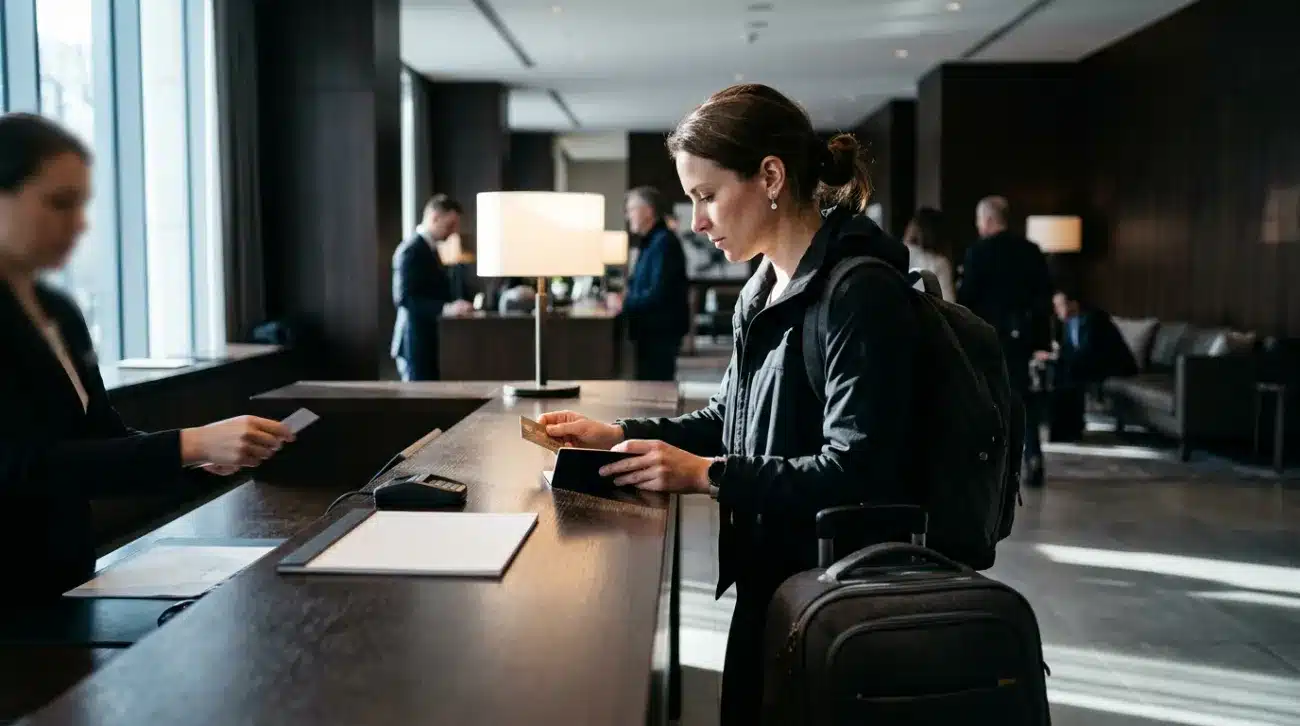
Timing an arrival for daylight, when possible, is a widely shared habit among solo travelers because it allows them to see the neighborhood, locate the entrance and get oriented before evening. When a late arrival cannot be avoided, many travelers tell the property in advance so that someone is expected to be at the desk, and they arrange a trusted ride from the airport, station or port rather than working out directions on foot at night.
At the front desk, privacy is the priority. If a staff member says the room number aloud in a lobby where others are standing nearby, a traveler can politely ask for it to be written down or for a different room to be assigned. Many women also prefer a room on an upper floor, close to the elevator, rather than one at the end of a long, isolated corridor, though preferences vary and no single location suits everyone. It is also reasonable to ask the staff how late the entrance is attended, how guests get in after hours and whom to call if something feels off. Asking these questions during check-in costs little and makes the property’s routines clear from the start.
Securing the Room Once the Door Closes

The first few minutes in a room are a natural time for a quick inspection. Travelers commonly test the main lock, the deadbolt and any secondary latch or chain, confirm that windows and balcony doors close properly and check whether any interior doors connect to a neighboring room. If something does not work, the usual advice among travelers is to report it immediately and request a different room instead of improvising a fix. Most women who travel alone do not treat this as paranoia; they treat it as the same kind of check they would make for a working shower or Wi-Fi connection.
Some travelers add a layer of their own, such as a small portable door stopper or a door alarm sold for travel use. These products vary in quality and are not a substitute for a properly working hotel lock, so they are best seen as optional extras. Using the “do not disturb” sign while inside, keeping the deadbolt engaged and storing passports, spare cash and electronics in the in-room safe, when one is provided and appears trustworthy, are other common routines. Cruise passengers often follow similar habits in their cabins, keeping the door latched when inside, using the cabin safe and reading the ship’s own safety information on the first day.
Knocks at the door deserve a measured response. Many travelers avoid opening the door to an unexpected visitor, even one who says he works for the hotel, and instead call the front desk to confirm whether anyone has been sent. Using the peephole and keeping the latch on while checking is another common step. If a staff member really is expected, for example to deliver a requested item, confirming the arrangement by phone takes only a moment.
Staying Connected: Sharing Plans and Preparing for Emergencies
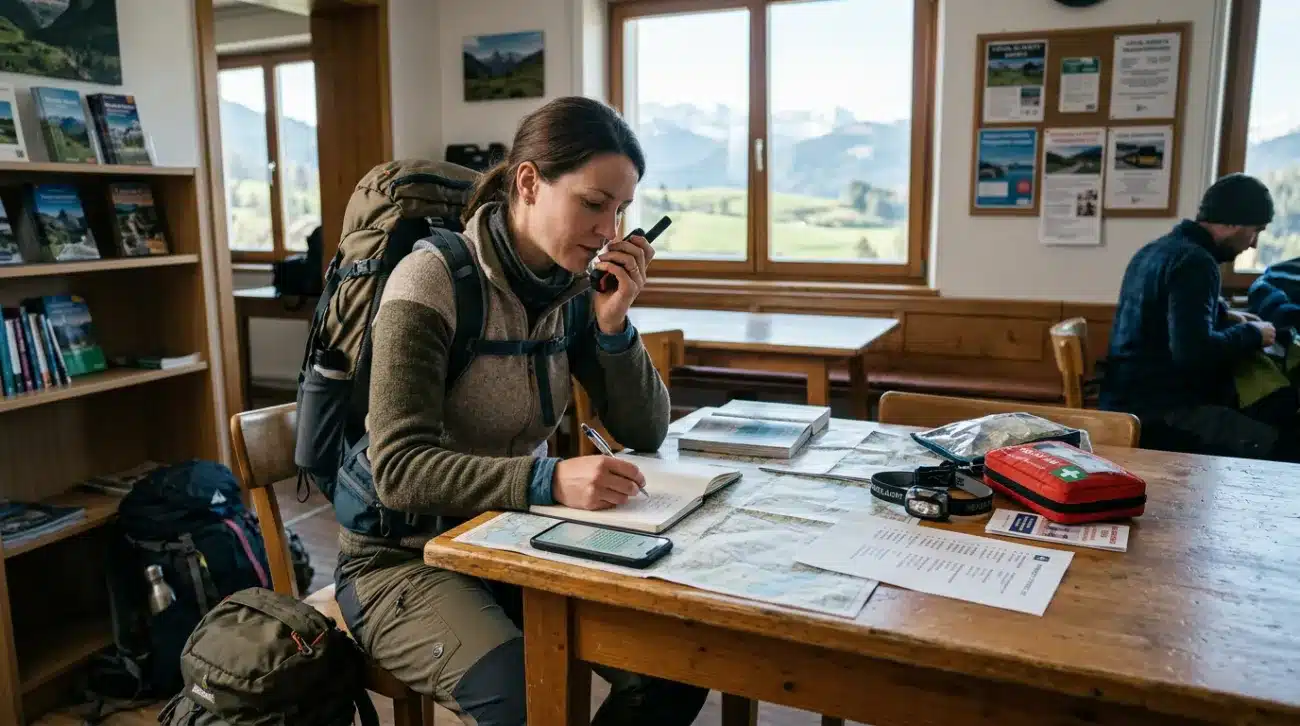
Communication is one of the strongest safety tools for a woman travelling alone. Many travelers leave a copy of their itinerary, including the name and address of each hotel, with a friend or relative at home, and agree on a simple routine for checking in each evening. The point is not constant monitoring but making sure that someone would notice quickly if a message failed to arrive. Phone-based location sharing is another option that some travelers use, either for the whole trip or only for specific journeys, and it can be switched off when it is no longer needed.
Preparation also means knowing what to do if something goes wrong. Before settling in for the night, travelers often save the local emergency number for the country they are visiting, the property’s front desk number and the address of their lodging, written in the local language where possible, in their phone. Keeping the phone charged and within reach of the bed, carrying a small backup battery and storing digital copies of the passport and travel insurance details separately from the originals are routine steps that reduce stress if a problem does arise. Travelers who want official, destination-specific guidance can consult their own government’s travel advisories before departure, since conditions and recommendations differ from place to place and can change.
Context box: editorial categorization
The habits in this article fall into four broad groups: choices made before booking, routines at arrival and check-in, steps taken inside the room, and communication with people at home. This grouping is an editorial way of organizing common advice, not measured data, and it does not rank which step is most effective.