Recognizing When to Seek Emergency Medical Attention

Understanding when a health concern requires immediate professional attention can be challenging in an unfamiliar environment, but delaying treatment can have serious consequences. Medical professionals advise against trying to “tough it out” when experiencing chest pain or unusual shortness of breath, severe vomiting or diarrhea lasting more than 24 hours, or high fever that doesn’t respond to standard treatment. These symptoms may indicate conditions requiring urgent intervention.
On cruise ships, common medical issues treated onboard include stomach viruses, respiratory infections, slips near pools, and sports injuries during excursions. The onboard medical centers handle initial treatment quickly, with staff members monitoring patients, providing medication, performing basic diagnostic tests, and arranging emergency evacuation when serious conditions require hospital care on land. While minor illnesses like seasickness and dehydration can be managed aboard, cardiac events, strokes, and severe traumatic injuries typically require evacuation to shore-based facilities.
If any guest or crew member feels unwell during their sailing, major cruise lines allow for immediate evaluation by medical staff, with options for in-stateroom visits or video tele-consultation. A multitude of evaluative tests can be conducted right onboard, allowing medical staff to make informed decisions about whether onshore treatment is necessary. The severity of an illness will determine whether treatment can occur in the onboard medical center or requires an urgent medical evacuation.
Preparing Before Departure for International Travel Health

Effective preparation begins well before reaching the airport or cruise terminal. Travelers should consider purchasing insurance coverage for overseas health care, including medical evacuation, before any international trip. Additionally, those with chronic medical conditions should bring a recent report from their physician, as the medical staff onboard cruise ships is not available for daily care unless hospitalized in the Medical Center.
Some countries require proof of international medical insurance for entry or for extended visits, and you may also be required to obtain travel medical insurance to be issued a visa. Certain destinations, such as those in the Schengen Area, require travelers from specific nationalities to carry medical insurance to qualify for a visa. Researching destination requirements and healthcare infrastructure should be part of standard trip planning.
Travelers should carry prescriptions in original containers with documentation from their physician, ensure they have adequate supplies of necessary medications for the entire trip plus extra days in case of delays, and research the location of medical facilities and emergency contact numbers at their destination. Downloading translation apps and carrying a medical information card with any allergies, conditions, or medications in both English and the local language can prove invaluable during an emergency when communication may be difficult.
Medical emergencies abroad represent one of the largest financial risks of international travel, yet they are among the most preventable through proper preparation. Doing it right—including securing comprehensive insurance with medical evacuation coverage—typically costs a modest amount for a two-week trip. Without adequate preparation, a serious medical incident can result in bills exceeding $50,000 to $250,000 or more. The cost of proper preparation is minimal compared to the potential financial devastation of an uninsured medical emergency far from home.
A Healthy Voyage Begins with Preparation
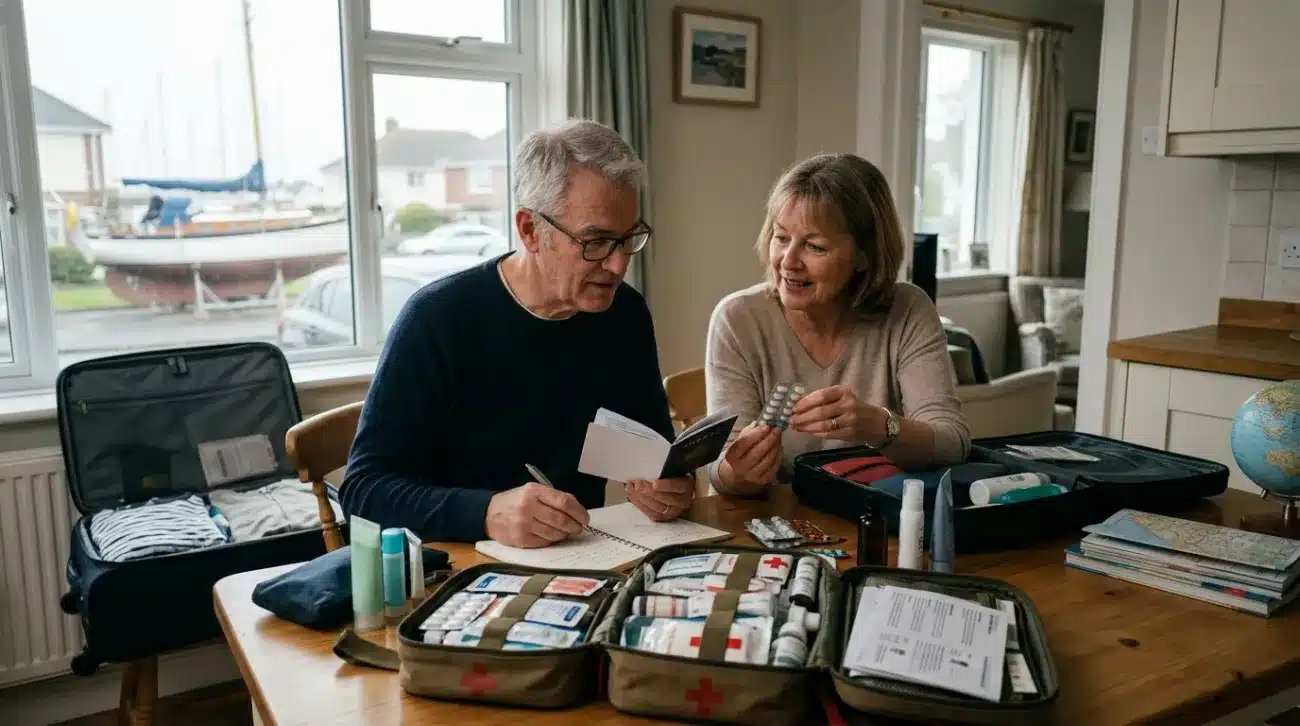
The reality of international travel health risks need not deter anyone from experiencing the world’s wonders, but awareness and preparation are non-negotiable elements of responsible travel planning. Whether you’re embarking on a transatlantic cruise, backpacking through Southeast Asia, or enjoying a European river cruise, understanding the medical resources available to you, securing comprehensive insurance coverage, and knowing how to access emergency assistance can transform a potential crisis into a manageable situation. The investment of time and money in proper health preparation pales in comparison to the potential costs—both financial and personal—of facing a medical emergency abroad without adequate planning. Every year, millions of travelers navigate health challenges abroad successfully because they took the time to prepare, and that same peace of mind is available to any traveler willing to plan ahead.