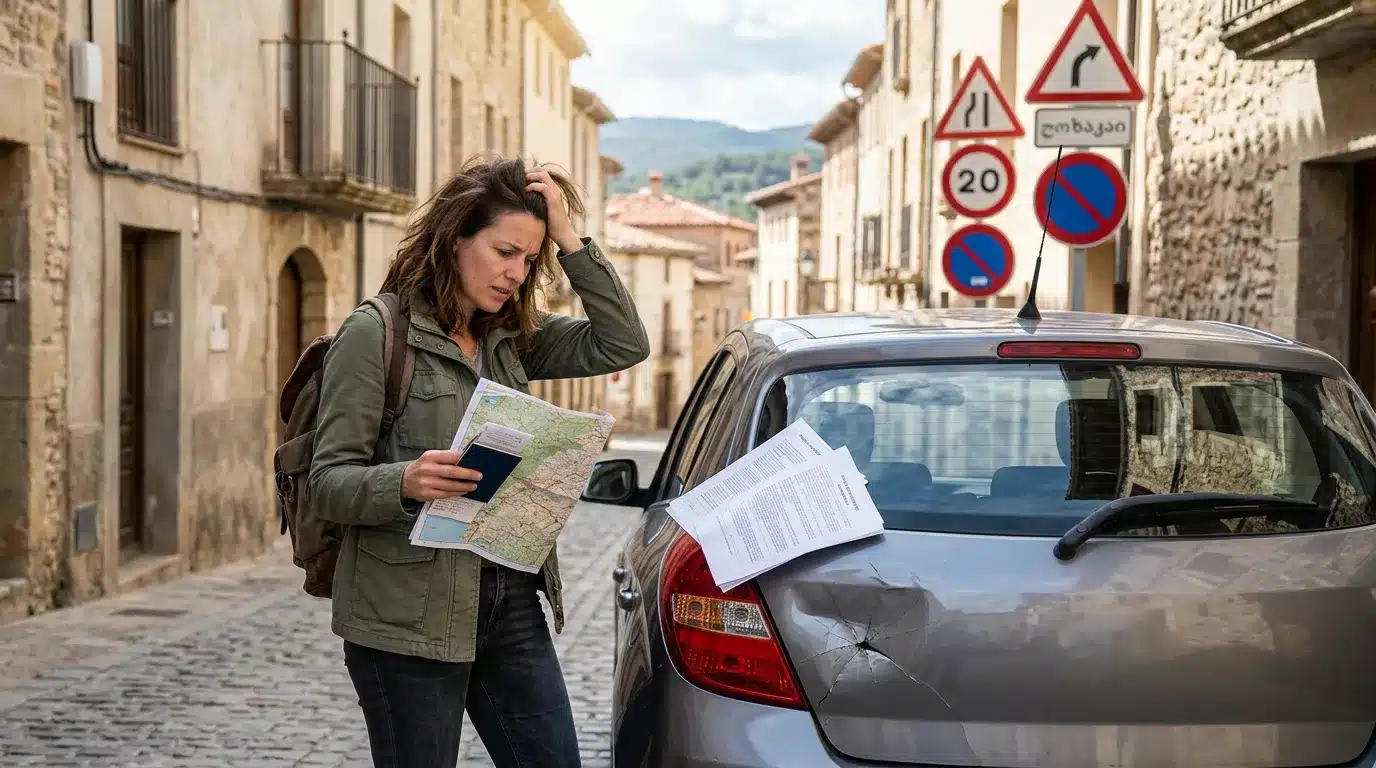
Psychologists describe this process as stress inoculation, where controlled exposure to manageable stressors builds tolerance and coping capacity for future challenges. Solo travelers who have successfully navigated being lost in unfamiliar cities, recovering from theft, or managing illness abroad often report that subsequent life challenges feel more manageable by comparison. The internal narrative shifts from questioning whether difficulties can be survived to confidence that they will be.
Disorientation and Vulnerability
The early days of solo travel often involve heightened anxiety, second-guessing the decision, and acute awareness of being alone in unfamiliar surroundings.
Capability Discovery
Successfully navigating initial challenges builds confidence and shifts focus from survival mode to genuine engagement with the experience.
Identity Consolidation
New self-knowledge and capabilities become integrated into permanent identity, fundamentally altering self-perception and future behavior.
Meaningful Human Connection Beyond Your Comfort Zone

Paradoxically, traveling alone often leads to deeper human connections than group travel permits. Without the social cocoon of companions, solo travelers must engage with locals and fellow travelers to meet basic social needs. These interactions, unbuffered by familiar social dynamics, frequently achieve an intimacy and authenticity that surface-level group interactions rarely approach. The shared vulnerability of travelers meeting far from home creates conditions for rapid bonding that sociologists describe as accelerated intimacy.
These connections often prove enduring despite geographical distance. The global perspective gained through meaningful cross-cultural relationships fundamentally alters how travelers view international news, political conflicts, and cultural differences. Abstract concepts become personalized through remembered faces, shared meals, and exchanged stories. This personalization of global humanity represents one of the most significant and lasting changes that solo travel produces.
Travel industry surveys consistently indicate that solo travel has grown significantly over the past decade, with particularly strong growth among women travelers and younger demographics. This shift reflects changing social attitudes toward independence and self-investment, suggesting that the transformative potential of solo travel is increasingly recognized and sought after rather than feared.
Why These Psychological Changes Persist After Returning Home

The permanence of change through solo travel relates to the depth at which the experience operates. Surface-level learning can be forgotten, but identity-level shifts become structural components of personality. When someone successfully proves to themselves that they can navigate the world independently, that knowledge cannot be unlearned. The person who returns is not the same person who departed, and this altered individual approaches subsequent experiences through a modified psychological framework.
Furthermore, solo travel often catalyzes ongoing behavioral changes that reinforce the initial transformation. Travelers frequently report continuing to seek novel experiences, maintaining international friendships, and applying problem-solving approaches developed abroad to domestic challenges. These ongoing behaviors create feedback loops that deepen and extend the original changes, making the transformation not merely lasting but progressive.
The Person Who Returns Is Never Quite the Same

Solo travel does not guarantee transformation, nor does it suit every personality or life circumstance. However, for those who embrace its challenges and remain open to its lessons, the experience offers something increasingly rare in modern life: the opportunity to encounter oneself without the filters and expectations that daily routines impose. The discomfort, the loneliness, and the uncertainty are not obstacles to the transformative experience but rather its essential ingredients. Those who have traveled alone often struggle to articulate precisely what changed, yet they recognize with certainty that something fundamental shifted during those solitary journeys, and that whoever they were before became someone slightly different, more resilient, more aware, and permanently altered by the simple act of navigating the world on their own terms.