Alternatives, Upgrades and Other Ways to Manage Cancellation Risk
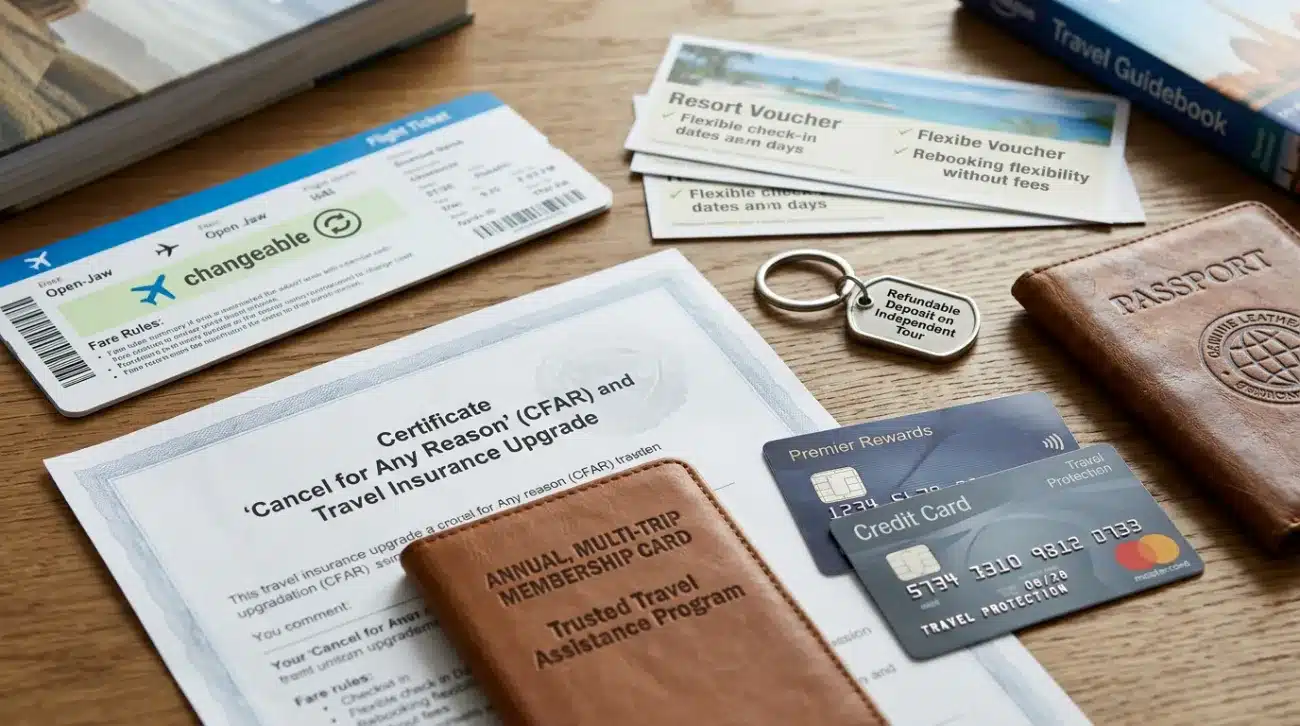
Buying a standalone policy is not the only way to manage risk. Some travelers choose refundable or flexible bookings, which may cost more upfront but can return money without an insurance claim. Others check whether a credit card they already hold offers any trip protection benefits, since terms and eligibility depend on the card issuer and must be confirmed in the card’s benefit guide. Existing coverage can overlap with a new policy, so knowing what you already have can prevent paying twice for the same protection.
Some insurers also offer optional upgrades that widen the list of reasons for which a traveler can cancel, often described as cancel-for-any-reason coverage. These add-ons usually cost more and come with their own conditions, including purchase timing and the share of the trip cost that is reimbursed, so the specifics have to be read in each plan. Whether the extra premium is justified depends on how much flexibility you want and how much you are prepared to pay for it.
Questions to Settle Before You Buy a Policy

A few plain questions can turn a vague worry into a clear decision. How much of the trip is nonrefundable, and could you afford to lose it? Which reasons for cancelling does the policy actually cover, and which are excluded? Are there purchase deadlines that affect eligibility, and what documents will a claim require? How does the seller’s own cancellation schedule compare with what the policy would return? Answering these in writing, using the policy and the booking terms, replaces guesswork with evidence.
It also helps to be honest about personal tolerance for risk. Two travelers with the same itinerary may reasonably choose differently, one preferring the certainty of a covered loss and the other preferring to keep the premium. Neither choice is wrong in itself. The aim is to make the decision deliberately, with a clear understanding of the terms, rather than discovering the limits of coverage only when something goes wrong.
Value comes from the match between the money you have at risk and the specific reasons a policy will cover, so the contract wording matters more than the price alone.
Making the Call on Cancellation Coverage for Your Next Trip

Whether trip cancellation coverage is worth the cost comes down to a comparison that only the traveler can complete: how much of the trip is prepaid and nonrefundable, how the premium compares with that exposure, and whether the policy’s covered reasons and exclusions fit the risks you are actually concerned about. A small, flexible booking may not justify the added expense, while a large prepaid cruise or tour may make the protection easier to defend. Alternatives such as refundable fares, existing card benefits and optional cancel-for-any-reason upgrades each have their own terms and trade-offs. The most dependable approach is to gather written quotes, read the exclusions and deadlines closely, check the seller’s cancellation schedule, and decide based on the documents rather than on assumptions.