

Travel Planning Guide
Best Winter Destinations For Warm Weather
A practical framework for choosing sunny, comfortable places to travel when the cold season arrives at home.
Finding the best winter destinations for warm weather is one of the most common goals in travel planning, and it is also one of the easiest to get wrong. When temperatures drop at home, the appeal of sunshine, open-air dining and time by the water is obvious, yet “warm” means different things to different travelers, and conditions vary widely between regions and even between months. This guide takes a practical, planning-focused approach. Rather than listing temperature figures that change from year to year, it explains how to evaluate warm-weather destinations, how cruise and land-based trips differ, and which questions to answer before committing to a booking.
A note on sourcing
This article deliberately avoids quoting specific temperatures, rainfall totals or price figures, because those details change and should be confirmed with current official sources before you travel. Meteorological services, tourism boards, cruise lines and government travel advisories publish up-to-date information, and they are the right places to check final details.
Defining Warm Weather Before You Choose a Winter Getaway

The first step in choosing a warm winter getaway is deciding what warm weather means for your trip. Some travelers want heat that allows swimming and sunbathing for most of the day. Others simply want relief from snow, ice and short daylight hours, and would be content with mild afternoons that are comfortable for walking, sightseeing or sitting at an outdoor café. These are very different goals, and they point toward different kinds of places. A traveler who wants to swim will need to think about water temperature as well as air temperature, since the two do not always match. A traveler who wants to explore historic towns or natural landscapes may prefer a milder climate in which long days outdoors are comfortable rather than exhausting.
It also helps to think about humidity, wind and sunshine hours, not just the daily high. Two destinations with similar headline temperatures can feel quite different depending on moisture in the air, sea breezes or the amount of cloud cover. Reading a destination’s climate description from a national weather service or a recognized tourism authority, rather than relying on a single number, gives a more realistic picture of what a typical winter day will feel like.
Understanding Climate Patterns and Seasons in Sunny Winter Destinations

Seasons are not the same everywhere, and this is central to planning a winter sun trip. In general terms, the Northern and Southern Hemispheres experience opposite seasons, which means that a winter month in one half of the world can coincide with summer in the other. Regions close to the equator tend to have less variation in temperature across the year, and their seasons are often described by rainfall patterns rather than by hot and cold periods. Travelers heading to such regions are often advised to look at when the wetter and drier periods fall, since a place that is consistently warm may still have months in which rain is frequent.
Because weather is variable, it is wise to treat any climate summary as a guide to what is typical rather than a guarantee. Individual seasons can be wetter, drier, hotter or cooler than usual, and some regions can be affected by seasonal storm systems at certain times of year. Official national weather agencies and regional tourism boards usually publish climate outlooks and safety information, and checking these sources close to your departure date is a sensible habit. If your travel dates are flexible, comparing several weeks within the winter season may reveal more favorable conditions than the most popular holiday periods.
Cruise Itineraries and Warm Winter Sailings
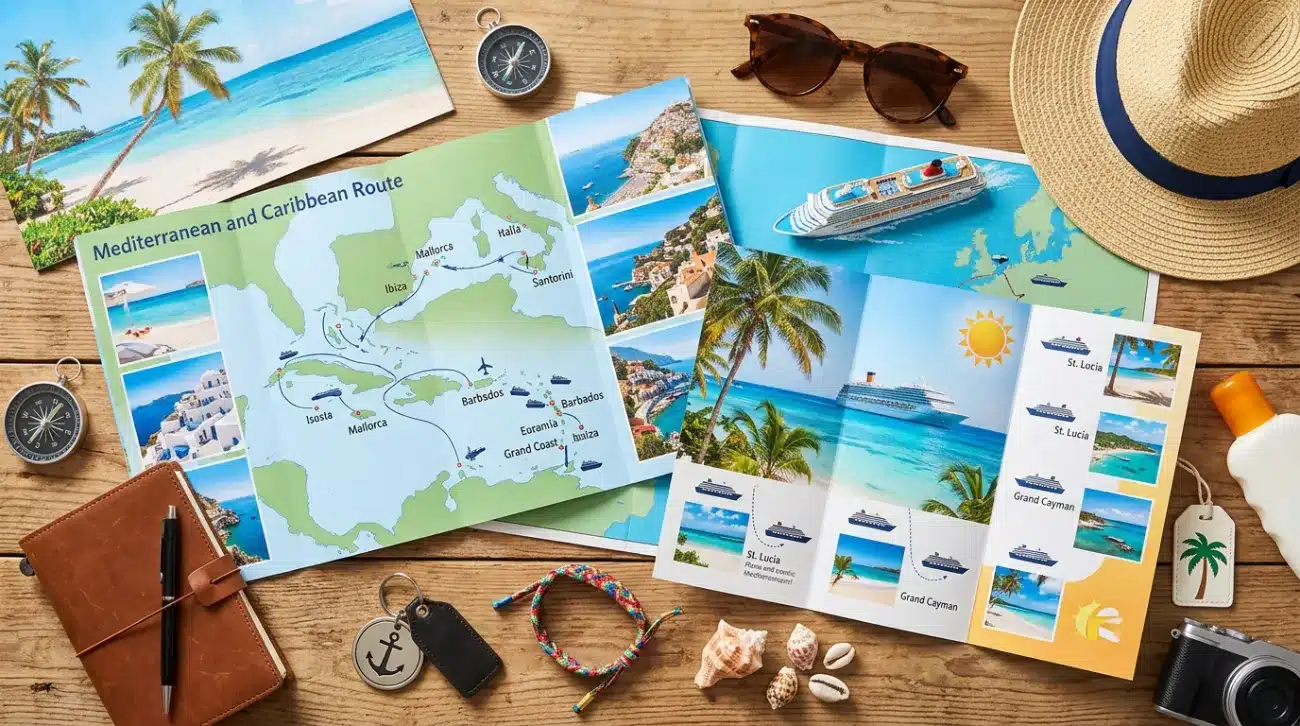
For many readers of a cruise publication, the most appealing way to pursue warm weather in winter is by ship. A cruise offers a distinctive advantage: the ship itself moves, so a single trip can include several ports, each with its own conditions. Cruise lines design their seasonal schedules around where they expect passengers to want to be at a given time of year, and itineraries frequently shift between regions as the calendar changes. Reviewing the published schedules of cruise lines is the most reliable way to see which regions are being offered for a specific winter departure.
When comparing sailings, it is worth looking at more than the ports of call. The number of sea days, the time spent in each port and the departure point all influence how much warm-weather time you actually get. A trip with several consecutive sea days gives you time on deck, while one with many port stops offers more time ashore. Travelers who are sensitive to heat may prefer itineraries that balance shore excursions with downtime, whereas those chasing maximum sunshine may favor schedules that keep the ship in warm waters throughout. It is also sensible to confirm with the cruise line how itinerary changes are handled, as weather and operational factors can occasionally lead to altered routes.
Beach, Island and Coastal Escapes for Winter Sun

Coastal and island destinations are the classic answer to the winter sun question, and they suit travelers who want to spend time at the water’s edge. When evaluating these places, consider the type of experience each offers. Some coastal areas are built around resort stays with organized activities, while others are quieter and oriented toward local culture, food and nature. Islands can differ greatly in size, infrastructure and ease of access, so the journey itself, including flight connections, ferry crossings and transfer times, deserves a place in your planning.
Water conditions matter as much as air conditions for beach-focused trips. Sea temperature, swell, currents and seasonal marine hazards vary by location and time of year, and local authorities typically publish guidance for visitors. Checking for lifeguard coverage, local safety flags and any seasonal advisories helps ensure that a beach holiday is both enjoyable and safe. For travelers who prefer scenery over swimming, coastal walking routes, harbor towns and nature reserves can provide a rewarding alternative when the water is less inviting.
Comparing Warm Climate Travel Styles at a Glance

The grid below is an editorial categorization, not measured data. It groups common warm-weather trip styles by the questions a traveler might ask when choosing among them, and it deliberately avoids numerical claims.
Cruise-based trips
Best considered by travelers who like variety. Key questions include the route, the number of sea days versus port days, and the cruise line’s policy on itinerary changes.
Resort and beach stays
Suited to travelers who want a single base. Key questions include sea conditions, travel time to the property, and what is included in the price.
Cultural and city breaks in mild climates
Appropriate for travelers who value sightseeing over swimming. Key questions include daytime comfort for walking, opening hours of attractions, and how busy the season is.
Nature and outdoor trips
Designed for travelers who want hiking, wildlife or scenery. Key questions include trail conditions, seasonal rainfall, and any park or protected-area rules.


