Warning: Your Passport Photo Could Get You Detained
Outdated, non-compliant, or poorly taken passport photos are causing travelers to face delays, secondary screening, and even denial of entry at borders worldwide.
Every year, thousands of travelers find themselves unexpectedly detained at airports and border crossings due to problems with their passport photos. What many people dismiss as a minor bureaucratic detail can become a significant obstacle when biometric systems fail to match a traveler’s face to their document, or when border agents question the validity of an identification image. Your passport photo could get you detained if it fails to meet strict international standards, has aged beyond recognition, or triggers automated facial recognition alerts. As countries increasingly rely on sophisticated technology to verify traveler identities, understanding the requirements and risks associated with passport photography has never been more critical for anyone planning international travel.
Why Biometric Systems Reject Passport Photos
Modern border security relies heavily on biometric verification systems that compare travelers’ faces against their passport photographs in real-time. These automated systems analyze facial geometry, measuring distances between eyes, nose width, jawline shape, and dozens of other data points. When discrepancies arise between the live scan and the stored image, the system flags the traveler for additional screening. According to the International Civil Aviation Organization, which sets global passport standards, photographs must meet precise specifications regarding size, lighting, expression, and head position to ensure biometric compatibility.
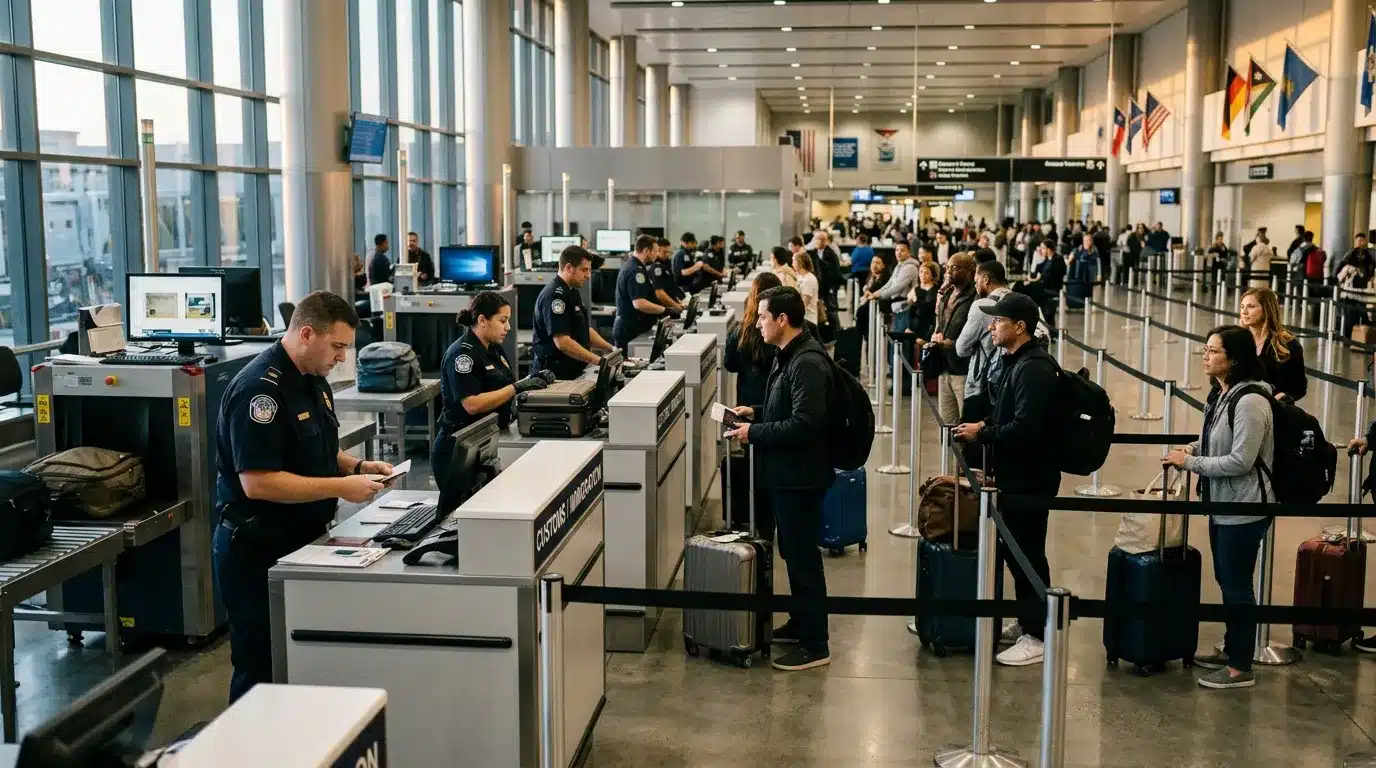
The United States Customs and Border Protection has implemented facial comparison technology at numerous airports, comparing travelers to their passport photos as part of entry and exit procedures. The UK Border Force uses similar e-gate systems that scan faces and match them against passport chips. When these systems cannot achieve a confident match, travelers are diverted to manual inspection, which can result in extended delays, questioning, and in some cases, temporary detention while identity is verified through alternative means.
The International Civil Aviation Organization requires passport photos to show a neutral expression with mouth closed, both eyes open and clearly visible, with the face taking up between 70 and 80 percent of the frame height. Photos must be taken against a plain white or off-white background with uniform lighting that casts no shadows.
Appearance Changes and Recognition Failures
One of the most common reasons for detention or secondary screening involves significant changes in appearance since the passport photo was taken. Weight fluctuations, aging, new glasses, beard growth or removal, different hairstyles, and cosmetic procedures can all affect how closely a person matches their documented image. While passport validity periods can extend to ten years in many countries, a photo taken a decade ago may bear little resemblance to the current traveler, creating genuine verification challenges for both automated systems and human officers.
Border agents are trained to look for specific facial features that remain relatively constant over time, such as the distance between the eyes and the shape of the ear. However, when multiple factors change simultaneously, even experienced officers may require additional documentation or verification before allowing entry. Travelers who have undergone significant medical treatments, gender transition, or major facial surgery often face heightened scrutiny and should consider obtaining updated travel documents before departure.
Substantial weight gain or loss alters facial structure, fat distribution, and overall appearance in ways that can confuse biometric systems designed to match bone structure and feature spacing.
Ten-year passport validity means photos can become significantly outdated, particularly for children and young adults whose features change dramatically during developmental years.
Growing or removing beards and mustaches changes apparent jawline shape and facial proportions, potentially triggering manual review when automated matching confidence drops.
Reconstructive surgery, dental work affecting jaw structure, or cosmetic procedures can substantially alter facial geometry beyond what verification systems expect.
Technical Photo Defects That Trigger Alerts
Beyond appearance changes, technical issues with the photograph itself can cause problems at borders. Photos that fail to meet international standards for resolution, color accuracy, or composition may not scan properly or may be flagged as potentially manipulated. Shadows across the face, red-eye effects, improper cropping, glasses with reflective glare, and incorrect background colors all violate ICAO specifications and can result in passport applications being rejected or, if errors slip through, cause verification problems when traveling.
Many countries have implemented increasingly stringent photo requirements in recent years. The United States updated its passport photo standards in 2016 to prohibit glasses in all photos, following data showing that eyewear caused significant problems for facial recognition technology. Australia, New Zealand, and numerous European countries have similar restrictions. Travelers whose older passports include photos with glasses may find they face more frequent secondary screening compared to those with compliant images.
Passport photo specifications are not arbitrary preferences but internationally coordinated standards designed to ensure documents work across all member nations’ border systems. The ICAO sets these guidelines, and individual countries implement them through their passport agencies. Non-compliant photos create verification failures that affect travelers regardless of their destination, as systems worldwide are calibrated to the same baseline specifications.
Damaged Documents and Photo Integrity Issues
Physical damage to passports, particularly around the photo page, raises immediate security concerns for border officers. Water damage, fading, scratches across the photograph, peeling laminate, or discoloration can all trigger suspicion that a document has been tampered with or that the photo has been replaced. Even accidental damage that renders the image difficult to read clearly can result in detention while officers attempt to verify identity through other means, such as contacting issuing authorities or checking against international databases.
The embedded chip in modern biometric passports contains a digital copy of the photograph, allowing officers to compare the physical image against the stored electronic version. When discrepancies appear between these two images, or when the chip cannot be read properly, travelers may face extensive delays. Border agencies generally recommend replacing any passport with visible damage rather than risking travel complications, even if the document remains technically valid.
Children’s Passport Photos Present Unique Challenges
Traveling with children introduces additional complexity regarding passport photo recognition. Young children’s facial features change rapidly, and a photo taken even a few years prior may show little resemblance to the current child. Most countries recommend renewing children’s passports more frequently than the maximum validity period to ensure photos remain recognizable. The United States issues passports to children under sixteen with only five-year validity, acknowledging the rapid pace of developmental changes in facial structure.
Infant passport photos present particular challenges, as babies often struggle to maintain the neutral expression and proper head position required by international standards. Border agents reviewing children’s documents typically apply additional scrutiny, and parents should be prepared to provide supporting documentation such as birth certificates, custody papers, or notarized parental consent forms. Photographs that capture an uncooperative infant with eyes closed, crying, or turned away from the camera may technically comply with submission requirements but still cause recognition problems during travel.
Before any international trip, examine your passport photo critically. If your current appearance differs substantially from the image, or if the photo shows any signs of damage, fading, or technical defects, consider applying for a renewal well in advance of travel. Many passport agencies offer expedited processing for travelers with imminent departure dates, though these services typically involve additional fees.
How to Prevent Photo-Related Border Problems
The most effective way to avoid detention or delays related to passport photos is proactive document maintenance. Travelers should review their passports regularly, considering whether the photo still provides a reasonable likeness. If significant appearance changes have occurred, renewing the passport eliminates potential recognition failures. When obtaining new passport photos, using professional services familiar with current requirements helps ensure compliance with technical specifications.
Maintaining consistent appearance elements when possible also reduces friction at borders. If your passport photo shows you with a beard, maintaining facial hair while traveling eliminates one variable that automated systems must account for. Similarly, travelers who wore specific hairstyles or makeup in their passport photos may find it helpful to approximate that appearance when crossing international borders, particularly at automated e-gates where human judgment cannot compensate for appearance variations.
The Stakes of Passport Photo Compliance
As biometric verification technology becomes increasingly central to international travel security, the humble passport photo has transformed from a simple identification image into a critical security credential. Travelers who overlook the importance of maintaining compliant, current photographs risk not merely inconvenience but potential detention, missed flights, and denied entry at their destinations. Taking time to ensure your passport photo accurately represents your current appearance and meets all technical requirements is a modest investment that can prevent significant travel disruptions and the deeply stressful experience of being detained while your identity is verified through alternative channels.